In recent years, the popularity of gas powered scooters has surged. According to a report by Grand View Research, the global scooter market is expected to reach $17 billion by 2025. This growth reflects a shift towards eco-friendly and efficient modes of transportation. Gas powered scooters offer convenience and a unique blend of performance and portability.
When selecting the best gas powered scooter, it is crucial to consider factors such as engine size, weight capacity, and fuel efficiency. Many users overlook these aspects, focusing solely on design and price. However, engine performance significantly impacts overall riding experience. A powerful engine can enhance speed and hill-climbing ability, but it may not suit everyone’s needs.
Additionally, safety features deserve attention. Investing in a scooter with reliable braking systems can prevent accidents. While the allure of speed is strong, the right combination of features ensures a safer journey. Ultimately, understanding personal requirements and preferences leads to a more satisfying purchase. Choosing a gas powered scooter should be an informed process, considering all necessary details for a dependable and enjoyable ride.

When selecting a gas-powered scooter, several factors must be considered. The engine size is crucial. Larger engines offer more power but can consume more fuel. Think about your typical travel distance. If you plan short commutes, a smaller engine might suffice. However, for longer rides, opt for greater engine capacity.
Weight capacity is another vital aspect. Scooters have specific weight limits. Ensure it comfortably accommodates your body weight and any extra equipment. Test the balance and stability. A scooter that feels unsteady can lead to safety concerns.
Don't overlook fuel efficiency. A gas scooter with higher miles per gallon can save you money. Research different models to find those that perform better in this aspect. Maintenance is also important. Some scooters may require frequent adjustments. Reading reviews from experienced users can provide insights into reliability and potential issues. Listen to their experiences; they can highlight things you might not notice immediately.
| Feature | Description |
|---|---|
| Engine Size | Typically ranges from 50cc to 150cc. Larger sizes offer more power but may affect fuel efficiency. |
| Fuel Efficiency | Look for a scooter that offers at least 60-100 mpg for optimal fuel savings. |
| Weight Capacity | Consider scooters that can accommodate your weight plus any additional cargo, generally 200-300 lbs. |
| Braking System | Disc brakes provide better stopping power compared to drum brakes; consider your riding conditions. |
| Seat Comfort | A well-padded seat is essential for longer rides; consider scooters with adjustable seating. |
| Storage Options | Look for models with under-seat storage or additional storage compartments for convenience. |
| Price Range | Typical prices range from $1,500 to $3,000; consider your budget and financing options. |
| Maintenance Requirements | Evaluate the ease of maintenance and availability of replacement parts; choose models with lower maintenance costs. |
| Warranty | Look for warranty options that provide at least one year of coverage to safeguard your purchase. |
Gas-powered scooters come in various types, each catering to different needs and preferences. The most common types include standard scooters, sporty models, and off-road options. Standard scooters are ideal for everyday commuting. They provide a smooth ride and excellent fuel efficiency. If speed and performance are priorities, sporty models offer enhanced power and acceleration. However, they may compromise comfort. Off-road scooters, designed for rugged terrains, provide durability and advanced suspension systems. Choose wisely based on where you'll ride.
When selecting a scooter, consider your experience level. Beginners might find standard models more manageable. However, advanced riders may crave the thrill of a sporty design. Pay attention to engine size as well. A 50cc engine is sufficient for commuting. A larger engine, like 150cc, delivers more power for highway travel. Weigh the pros and cons. Some models may not be budget-friendly but could offer longevity and reliability.
Another crucial factor is maintenance. Gas-powered scooters require regular upkeep. Check oil levels and tire pressure frequently. Some users overlook these details, resulting in decreased performance over time. Assess your willingness to invest time and effort into maintenance. Reflecting on these aspects will help align your choice with your lifestyle and riding goals.
When selecting a gas-powered scooter, understanding key specifications is essential. The engine size plays a crucial role in performance. Look for scooters with at least a 50cc engine for city commuting. A larger engine can provide better power but may affect fuel efficiency. Always think about your daily usage; a small engine might be enough for short rides.
Another important factor is the weight capacity of the scooter. Ensure it meets your needs, especially if you carry additional gear or a passenger. The scooter's braking system is also critical for safety. Disc brakes tend to offer better stopping power than drum brakes. It’s worth considering the type of terrain you’ll encounter.
Tires can influence ride quality significantly. Look for wider tires for stability, especially on uneven roads. Don’t forget to check the fuel tank capacity. A larger tank can mean fewer stops for refueling, but it may add weight. Each specification impacts your overall experience. Take time to reflect on the balance between power and efficiency for your lifestyle.
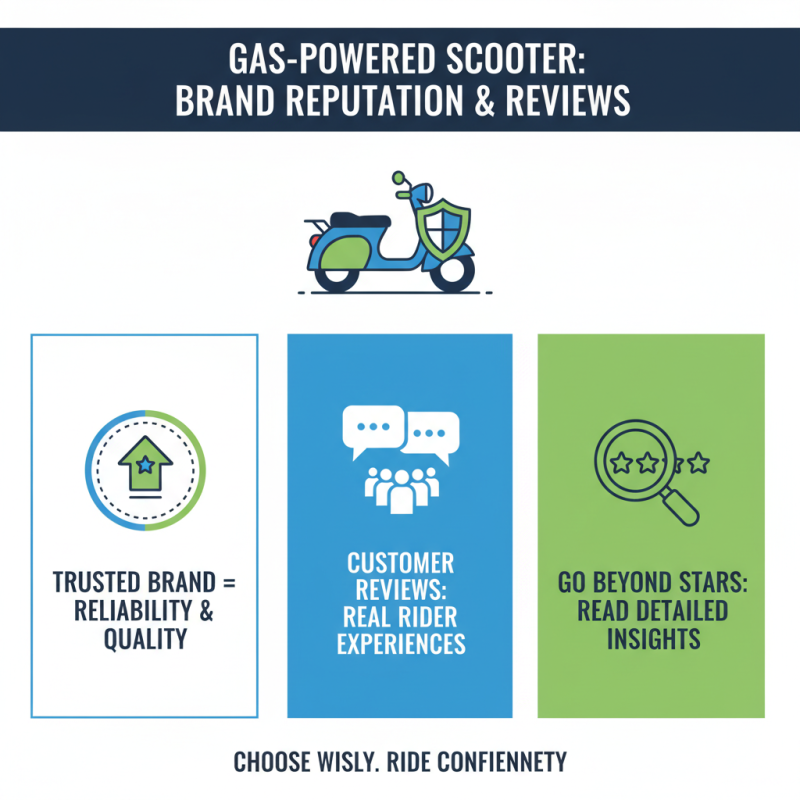
When selecting a gas-powered scooter, brand reputation and customer reviews are crucial. A trusted brand generally indicates reliability and quality. Many riders share experiences online, giving you insight into performance. Look beyond the star ratings and read detailed reviews for a deeper understanding.
Tips: Focus on review patterns. If multiple users mention durability issues, take note. Analyze both positive and negative feedback. Consider the source of the reviews. Are they from verified buyers? This factor can greatly impact the trustworthiness of the information.
Don't overlook the importance of after-sales support. A manufacturer with a strong customer service record may save you headaches. Evaluate comments related to warranty claims and support responsiveness. Experiences can differ widely, and past customer interactions reveal a lot about future expectations.
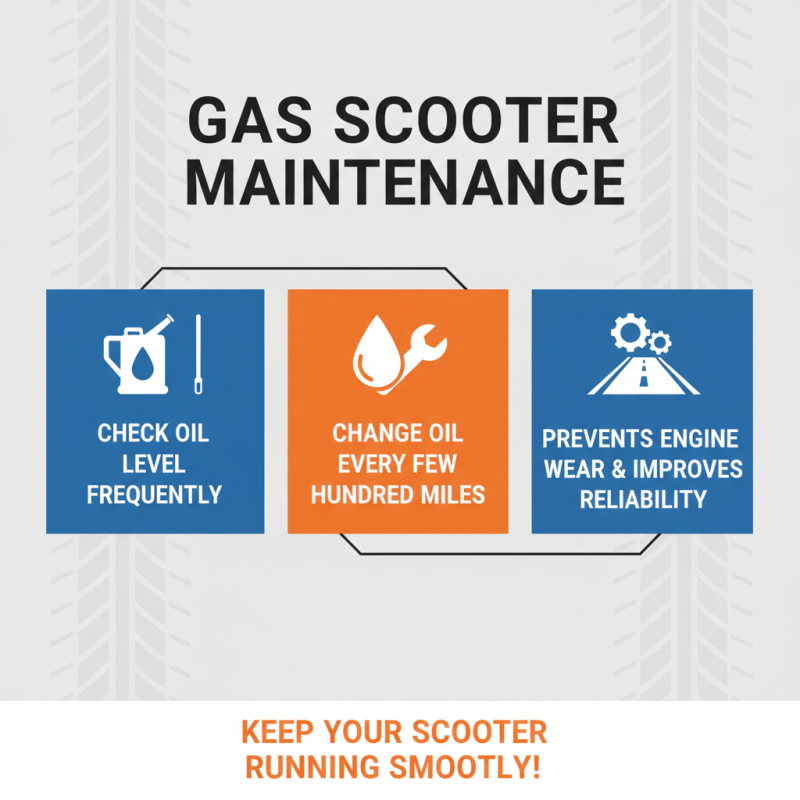
Regular maintenance is essential for gas-powered scooters. Keeping the engine in good shape ensures longevity and reliability. Check the oil level frequently. Change the oil every few hundred miles. Fresh oil prevents engine wear and keeps the scooter running smoothly.
Air filters also need attention. A clogged air filter reduces performance and fuel efficiency. Cleaning or replacing it regularly can enhance your scooter's power. Inspect spark plugs for wear. They play a crucial role in engine ignition. Replacing spark plugs can improve starting and fuel consumption.
Tire pressure is another aspect not to overlook. Low tire pressure affects handling and safety. A quick weekly check can make a significant difference. While performing these tasks, ensure to listen for unusual sounds. An abrupt change can indicate underlying issues. Keeping a maintenance log helps track what has been done. Regular, small checks are often more beneficial than infrequent, comprehensive ones. Find your rhythm to make scooter upkeep a less daunting task.