10 Essential Tips for Choosing the Right Gas Scooter for Your Needs?
Choosing the right gas scooter can significantly enhance your daily commuting experience. Industry expert Jane Smith emphasizes the importance of this decision. “A gas scooter should fit your lifestyle and needs perfectly,” she advises. With various models available, understanding your specific requirements is crucial.
When considering a gas scooter, think about factors like distance, speed, and storage. A well-suited scooter can make your travels smoother. However, many overlook essential details. For example, battery life, weight capacity, and rider comfort matter greatly. It's common to rush this choice and later feel regret.
Research is vital. Reading reviews and exploring quality options can save you from future hassles. Each gas scooter has unique features. Not everyone will find the same model satisfying. Your needs may change over time, so flexibility in choice is key. It's not just about the price; it’s about value and utility for your personal situation.
Understanding Gas Scooter Types: 2-Stroke vs. 4-Stroke Models
When selecting a gas scooter, understanding the difference between 2-stroke and 4-stroke engines is crucial. 2-stroke models are generally lighter and offer higher power output for their size. They are ideal for short, intense rides. However, they come with higher emissions and require more frequent maintenance. If you prioritize speed and agility, a 2-stroke may suit your needs.
On the other hand, 4-stroke scooters provide better fuel efficiency and lower emissions. They tend to be quieter, making them perfect for city commuting. Though they may feel bulkier, their reliability often outweighs this minor inconvenience. Some riders find them less thrilling, but the smooth ride can be worth it.
When choosing a model, consider your riding style. Do you seek excitement, or is reliability more important? Evaluate your typical distance and terrain. A practical tip is to test ride various models to compare how they feel. Each model uniquely impacts your riding experience. Reflect on the pros and cons of each type before making your final choice.
Evaluating Engine Displacement and Performance Metrics for Your Needs
Choosing the right gas scooter starts with understanding engine displacement. This measurement affects your scooter's power and speed. A higher displacement often means better performance, but it can also lead to increased fuel consumption. Consider your daily riding needs carefully. For city commutes, a smaller engine might suffice. For longer distances, look for more power.
Performance metrics are equally important. Pay attention to acceleration, top speed, and handling. A scooter that accelerates quickly may suit urban environments better. However, if you value stability at high speeds, prioritize models known for their handling capabilities. Test rides can reveal how well a scooter meets your expectations.
When evaluating options, do not forget about weight and frame size. A heavier scooter might provide stability, but it can also be harder to maneuver. Ensure it feels comfortable and fits your riding style. Always think about your personal preferences and how they align with technical specs.
Engine Displacement vs. Top Speed for Gas Scooters
This chart illustrates the relationship between engine displacement and top speed for different gas scooter categories. As the engine displacement increases, the top speed typically rises as well, providing insights for consumers on the performance capabilities of various scooters.
Assessing Fuel Efficiency and Range: Key Factors in Gas Scooter Choices
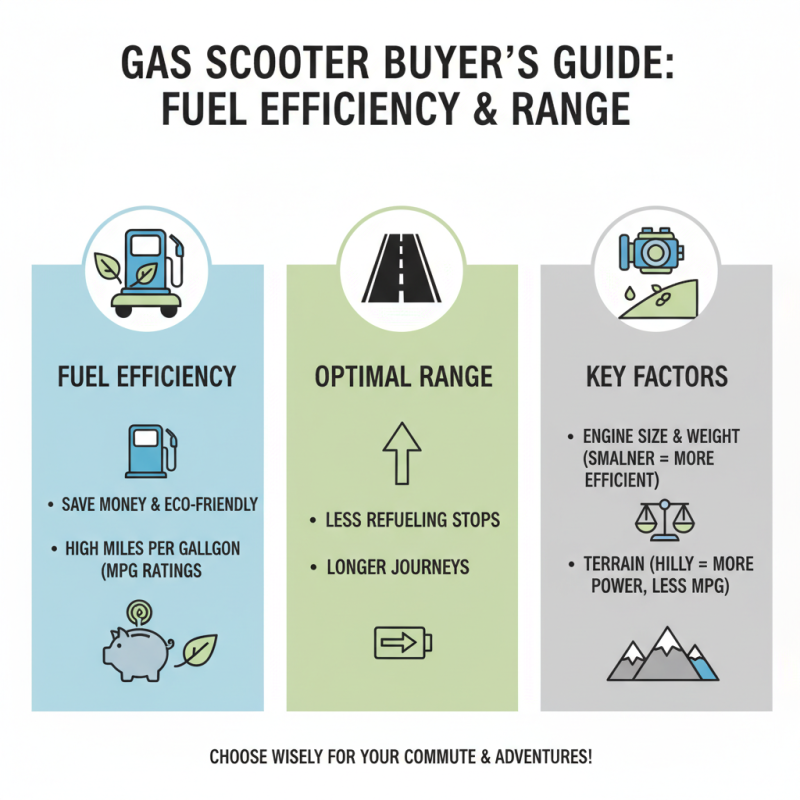
When choosing a gas scooter, fuel efficiency and range are vital factors. A scooter that consumes less fuel saves money and is better for the environment. Look for models with high miles per gallon ratings. These scooters often have smaller engines and lighter frames, which contribute to their efficiency. Carefully consider the terrain you’ll be riding on. Hilly areas might require a more powerful engine, affecting fuel consumption.
Range is also crucial. A scooter with limited range might not serve your daily needs effectively. Assess your typical commuting distance. If you frequently travel long distances, aim for a scooter that offers a range of at least 100 miles on a full tank. Think about your riding habits and refueling options. A scooter with a larger fuel tank allows for fewer stops. However, a larger tank can add weight, impacting agility and efficiency. Balance these aspects carefully.
Choosing the right scooter can feel overwhelming. It's essential to factor in your lifestyle and usage patterns. Look for user reviews and technical specifications from reliable sources to inform your decisions. Even if a scooter seems great, it's important to ensure it meets your specific requirements. Taking time for this assessment can prevent future disappointments and ensure that your investment is worthwhile.
Prioritizing Safety Features: Brakes, Lights, and Stability Considerations
When selecting a gas scooter, prioritizing safety features is crucial. Effective braking systems are a key factor. According to recent industry reports, over 30% of scooter accidents are linked to inadequate braking. Look for scooters with disc brakes, which provide better stopping power than drum brakes. This can significantly enhance rider safety.
Lighting is another critical feature. Good visibility is vital, especially for night riding. Scooters equipped with strong headlights and reflective surfaces reduce accident risks by up to 20%. Many riders overlook the importance of stability. A wider wheelbase can improve balance, making a scooter less likely to tip over. The design should accommodate various terrains, enhancing comfort during rides.
While many scooters boast fancy features, safety should never be compromised. Assessing brakes, lights, and stability ensures safer travels. Industry data indicates that scooters with superior safety features lead to lower injury reports. Proper research and considerations can prevent dangerous riding situations. Riders should reflect on their unique needs and conditions before making a decision. It’s essential to choose wisely for a safe riding experience.
10 Essential Tips for Choosing the Right Gas Scooter for Your Needs
| Feature |
Importance Level |
Recommended Specifications |
| Brakes |
High |
Disc brakes recommended for better stopping power |
| Lights |
Medium |
LED headlights and taillights for visibility |
| Stability |
High |
Wide wheelbase and lower center of gravity |
| Tires |
Medium |
Pneumatic tires for better traction and comfort |
| Weight Capacity |
High |
At least 220 lbs for safety and performance |
| Suspension |
Medium |
Front and rear suspension for improved ride quality |
| Speed |
Medium |
Top speed of at least 30 mph for city commuting |
| Fuel Efficiency |
High |
Minimum 80 mpg for cost-effectiveness |
| Storage Space |
Low |
Under-seat storage for personal items |
| Warranty |
Medium |
At least 1 year for peace of mind |
Analyzing Maintenance Requirements and Long-term Ownership Costs
When choosing a gas scooter, long-term ownership costs and maintenance requirements play crucial roles. Many potential owners overlook these factors, leading to unforeseen expenses. According to a report from the National Highway Traffic Safety Administration, lack of proper maintenance can reduce a scooter's lifespan significantly. Regular inspections and servicing, such as oil changes and brake checks, are vital. These can average around $200 annually, depending on usage.
Fuel efficiency also impacts overall costs. Most gas scooters offer 70-100 miles per gallon. If you ride frequently, this translates into substantial savings. However, some models may require more frequent tune-ups, which can affect upkeep costs. The Environmental Protection Agency often recommends assessing emission levels, as higher emissions may mean more is spent on gas and repairs.
Additionally, many users don't account for the price of replacement parts. Common replacements, like tires or batteries, can add up over time. Research shows that the average cost for replacing just the tires is about $100 to $300, depending on the quality. Ignoring these considerations can lead to challenges in budgeting. In conclusion, understanding both immediate and long-term costs is essential for making a well-informed scooter choice.