Buying a gas scooter is not simply a matter of comparing engine size and advertised price. For global buyers, the real decision includes fuel quality, road conditions, maintenance access, emissions rules, and resale value. A model that performs well on smooth European streets may struggle on dusty roads, steep hills, or crowded Southeast Asian routes.
Market data makes this choice more complicated. The International Energy Agency’s Global EV Outlook 2024 reports rapid growth in electric two- and three-wheelers, especially in China and other Asian markets. However, petrol-powered scooters remain widely used where refueling networks, repair shops, and lower purchase prices matter. The World Health Organization also identifies powered two- and three-wheelers as important road-safety concerns, making braking performance, lighting, tire quality, and rider protection essential buying considerations. Small details matter.
This guide presents seven practical gas scooter buying tips for customers comparing international models. It examines engine reliability, fuel consumption, regulatory compatibility, spare-parts availability, warranty support, and long-term operating costs. Reports from the European Environment Agency and national transport authorities show that emissions requirements differ significantly between markets. A scooter approved in one country may require different certification elsewhere. That risk is easy to overlook.
Experience also teaches a less comfortable lesson: the cheapest scooter is rarely the cheapest ownership choice. A weak dealer network, expensive shipping, or unavailable parts can quickly erase the initial savings. No checklist removes every uncertainty. Still, careful questions, verified specifications, and realistic route planning can prevent many costly mistakes. The best purchase balances daily practicality with responsible, legal, and dependable operation.
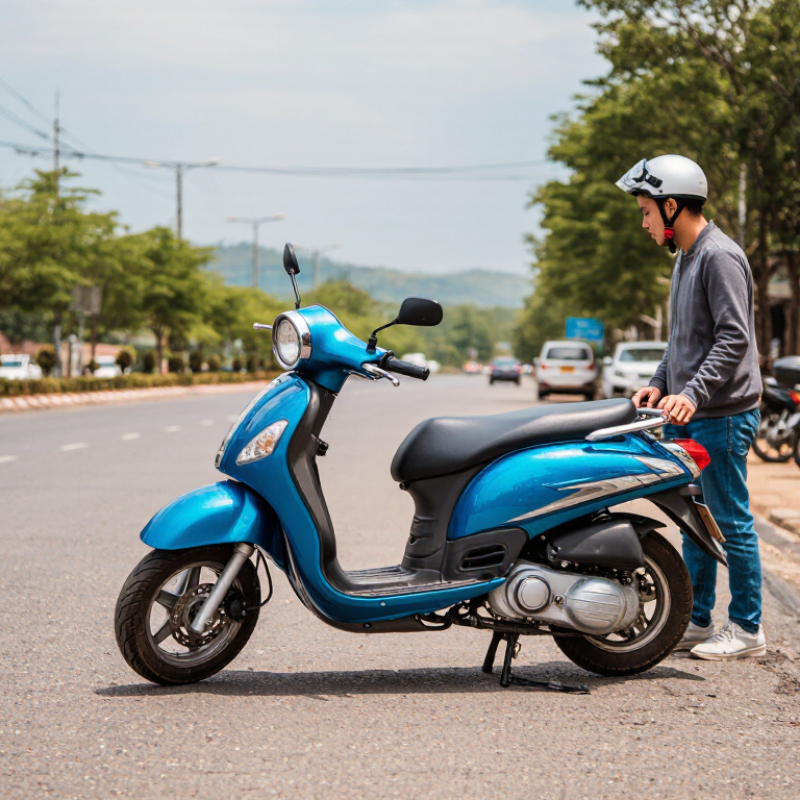
A gas scooter should be matched to real riding conditions, not just engine size. Check displacement, measured power, design speed, rider-and-cargo weight, road gradients, fuel range, and licensing class. A 50cc engine suits short urban trips and lighter loads, but hills and two-person riding can expose its limits. A 125cc scooter usually offers stronger acceleration and safer speed reserves on faster roads, though it may require a different licence.
Do not confuse engine output with top speed. Under Regulation (EU) No 168/2013, many European L1e-B mopeds are limited to 50cc and 45 km/h, while A1 motorcycles can reach 125cc and 11 kW, subject to power-to-weight limits. Rules differ globally. Confirm the exact class with your transport authority before buying. SAE J1349 also shows why advertised power needs context: standardised testing conditions may differ from everyday heat, altitude, and maintenance.
Measure the load honestly. Add the rider, passenger, luggage, and fuel; a small scooter may feel fine alone but struggle with a 25-kilogram delivery box. Ask for a dynamometer sheet, not only a brochure figure. Check braking performance, tyre load ratings, and hill-start behaviour during a test ride. I would not trust an impressive speedometer reading. It can be optimistic. A useful detail is often missed: licence limits may concern power or design speed, not displacement alone. That detail can change the right purchase.
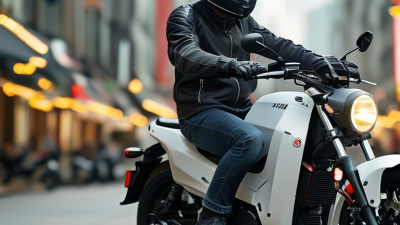
Importing a gas scooter can look simple until its speed and engine class meet local rules. For many markets, a 45 km/h limit affects licensing, registration, insurance, and road access. However, 50cc does not automatically mean the same legal category everywhere. Definitions may depend on power, design speed, equipment, and rider age. Check the destination authority’s current wording before paying a deposit.
Tip: Request a certificate showing displacement, tested speed, noise, and emissions. Ask whether the 45 km/h figure is measured electronically or under a specified test method. Keep copies of invoices, technical sheets, conformity documents, and translated paperwork. Small paperwork gaps can delay customs clearance or registration. In practice, a rounded seller figure is not enough.
Before shipping, compare the scooter’s VIN, engine number, and documents. These numbers should match exactly, including punctuation where required. Confirm helmet, lighting, mirror, tire, and brake requirements with the importing authority. Ask a customs broker or transport regulator for written guidance when classifications conflict. Rules change, and online forum advice can age badly. Even careful buyers miss details.
| Tip | What to Confirm | Verified Reference Data | Why It Matters for Importing | Buyer Action |
|---|---|---|---|---|
| 1. Verify the speed category | Check the scooter’s certified maximum design speed, not only the speed shown on the speedometer. | 45 km/h equals approximately 28 mph. In the European Union, the L1e-B powered two-wheel moped category generally uses a maximum design speed of 45 km/h. | A scooter designed above the local moped limit may be regulated as a motorcycle, creating additional licensing, registration, insurance, and equipment requirements. | Request the type-approval record, conformity certificate, and manufacturer specification sheet before placing an order. |
| 2. Confirm the 50cc classification | Confirm the actual engine displacement in cubic centimetres and how the destination authority defines a moped or low-capacity motorcycle. | A nominal 50cc engine is commonly listed as 49cc or 49.9cc. Under the EU L-category framework, internal-combustion L1e vehicles generally have a cylinder capacity of no more than 50cm³. | Some countries and states use different displacement, speed, power, or equipment thresholds; “50cc” does not guarantee the same legal class everywhere. | Compare the engine number and displacement shown on the invoice, frame documents, certificate of conformity, and customs paperwork. |
| 3. Check power and construction limits | Review rated power, continuous power, vehicle mass, emissions equipment, and whether the speed limiter is factory-installed. | For EU L1e vehicles, the maximum continuous rated power is generally limited to 4 kW. Exact requirements depend on the vehicle subtype and applicable approval rules. | A modified controller, engine, exhaust, or limiter can invalidate approval and may cause inspection or registration problems. | Ask for an unmodified production specification and record all power and speed data in the purchase contract. |
| 4. Validate road-use documents | Confirm that the scooter has the documents required for legal road use in the destination market. | Typical documents may include a commercial invoice, packing list, certificate of origin, vehicle identification number, conformity certificate, ownership document, and test or approval records. | Customs clearance and road registration are separate processes. Customs acceptance does not automatically mean the vehicle is road-legal. | Send scanned documents to the destination registration authority or a licensed customs broker for written confirmation before shipment. |
| 5. Calculate the landed cost | Budget for the vehicle price, freight, marine insurance, customs duty, import tax, port charges, inspection, registration, and local delivery. | Import taxes and duty rates vary by destination, customs classification, engine type, country of origin, and declared customs value. | A low purchase price can become uneconomical after shipping, taxes, compliance work, storage, and registration fees. | Obtain a written landed-cost estimate and confirm the correct tariff classification with the destination customs authority. |
| 6. Inspect safety and emissions equipment | Check lighting, indicators, mirrors, horn, brakes, tires, reflectors, exhaust, fuel system, noise control, and emissions equipment. | Roadworthiness requirements differ by jurisdiction. Many markets require approved lamps, front and rear braking systems, a compliant exhaust, and a visible vehicle identification number. | Missing or non-compliant equipment can lead to failed inspection, restricted use, recalls, or expensive retrofits. | Use a pre-shipment checklist and request dated photographs or an independent inspection report for the exact unit. |
| 7. Plan fuel, service, and warranty support | Confirm fuel requirements, maintenance intervals, spare-parts availability, warranty coverage, and service responsibilities after delivery. | Two-stroke and four-stroke 50cc engines can require different oiling, emissions, and maintenance procedures. Fuel and lubricant specifications must follow the engine manual. | Limited parts support can create long vehicle downtime and may make warranty claims difficult across borders. | Secure a parts list, workshop manual, warranty terms, service schedule, and replacement-parts plan before payment. |
| Important: Vehicle categories, licensing rules, import taxes, emissions standards, and registration requirements vary by country and may also vary by state, province, or city. Confirm the current requirements with the destination customs, transport, and vehicle-registration authorities before importing. | ||||
7 Gas Scooter Buying Tips for Global Buyers
Before buying, identify the destination country and vehicle category. EPA requirements apply in the United States, while Euro 5 standards guide many European markets. Neither standard automatically satisfies every local rule. Check the model year, engine size, fuel system, and emissions certificate. A scooter can meet one market’s limits but fail registration elsewhere. Ask for official test documents, not only a sales description.
Tips: Verify the VIN on every document. Match the engine number, certificate, and shipping papers. Confirm whether the scooter has a catalytic converter, evaporative-control system, and approved exhaust. These details may affect customs clearance, inspection, and registration. Also check local noise limits and fuel requirements. Small differences matter.
I once treated “Euro 5 ready” as proof of full compliance. That assumption was too loose. A seller’s phrase may describe a planned version, not the exact scooter being shipped. Request the conformity document for the precise model and production year. Contact the local transport or environmental authority before paying. Keep written replies. It feels slower, but a ten-minute email can prevent an expensive failed inspection. Imported scooters may need extra testing, and rules can change during a delivery period. Allow time for that risk.
Before buying, verify that the scooter has the correct certification for its destination market. The chart shows major implementation milestones for selected gasoline-scooter markets; local registration rules may impose additional requirements.
U.S. EPA motorcycle emission requirements were phased in during 2006–2010. Euro 5 applied to new EU type approvals from 2020 and to all new registrations from 2021. India adopted BS-VI for new vehicles on April 1, 2020. China IV motorcycle emission requirements took effect nationally on July 1, 2019.
Global scooter buyers should compare fuel economy in L/100 km, not vague “kilometers per liter.” This unit shows fuel consumed over a fixed distance. Lower numbers mean better efficiency. The Worldwide Motorcycle Test Cycle, developed under UNECE regulations, provides a controlled comparison. However, laboratory figures are not promises. Traffic lights, hills, cold starts, passenger weight, and tire pressure can change the result quickly.
Calculate tank range with this formula: tank capacity ÷ consumption × 100. A 6-liter tank using 2.5 L/100 km theoretically travels 240 km. Real roads are less generous. For context, the International Council on Clean Transportation reported that real-world fuel use in new passenger vehicles exceeded official values by about 20% in 2021. Motorcycles differ, but the warning remains useful. Applying a 15% adjustment reduces that scooter’s practical range to about 204 km.
Check the usable tank capacity, not only the advertised capacity. Some fuel remains below the pickup point, especially on uneven roads. Keep a small reserve for detours and heavy traffic. A scooter carrying two adults may consume noticeably more fuel. Tire pressure also deserves attention; underinflation increases rolling resistance. Test consumption over several refills, using the same route and calculation. One reading can mislead. My preferred method is simple: record liters added and trip distance, then divide liters by kilometers and multiply by 100. Manufacturer data helps comparison, but your daily route decides the final number.
A gas scooter can feel practical in crowded streets, but risk deserves more attention than style. NHTSA reports that motorcyclists face about 28 times the fatality risk of passenger-car occupants per vehicle mile traveled. A scooter may be smaller, yet riders remain exposed to traffic, poor surfaces, and sudden door openings. During a test ride, check braking control on dry pavement and inspect the frame for loose parts. Small defects matter.
Tip 1: Choose anti-lock braking systems, or ABS, when available. Tip 2: Inspect tire depth, age, cracks, and recommended pressure. Tip 3: Select a certified full-face helmet with a secure strap. Tip 4: Test both brakes before buying. Tip 5: Confirm that lights remain visible in daylight. Tip 6: Check suspension movement over uneven ground. Tip 7: Request maintenance records and a clear ownership history.
ABS can help reduce wheel lock during emergency braking, but it cannot defeat excessive speed or wet roads. Tires should match the scooter’s load and riding conditions. A helmet that feels slightly loose today may shift during a crash. I once underestimated how quickly a rough road changed stopping distance; that mistake still influences my inspections. Buyers should also verify local registration, emissions, helmet, and equipment requirements before payment. Specifications can be incomplete, and online photos often hide worn tread or damaged steering components.