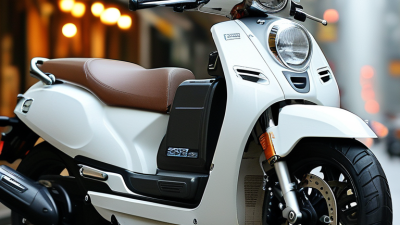
10 Tips for Buying the Best 50cc Scooter
Choosing a 50cc scooter can feel simple until small details affect safety, comfort, and long-term cost. A clean showroom floor does not guarantee a reliable engine. Buyers should inspect the scooter’s condition, service history, braking system, tires, lights, and starting performance. Even a short test ride can reveal unusual vibration, delayed acceleration, or an uncomfortable riding position.
This guide presents ten practical tips for making a more informed purchase. It considers new and used scooters, fuel economy, storage space, maintenance access, warranty terms, and daily riding needs. Local licensing, registration, helmet, insurance, and road-use requirements can differ, so verify them with an official transport authority before buying. A reputable dealer should explain these requirements clearly and provide accurate documents.
Look closely.
A low price may hide future repairs. A familiar brand may still have weak dealer support in your area. It is also easy to focus on appearance while ignoring seat height or poor wind protection. That mistake can become obvious after a week of commuting. Check the scooter in daylight, examine cold-start behavior, and ask specific questions about replacement parts. No single model suits everyone. Your route, body size, parking conditions, and maintenance budget should guide the decision. These tips are not a substitute for professional inspection, but they can help you ask better questions and avoid rushed choices. Reliability often begins with careful research, not a polished advertisement.
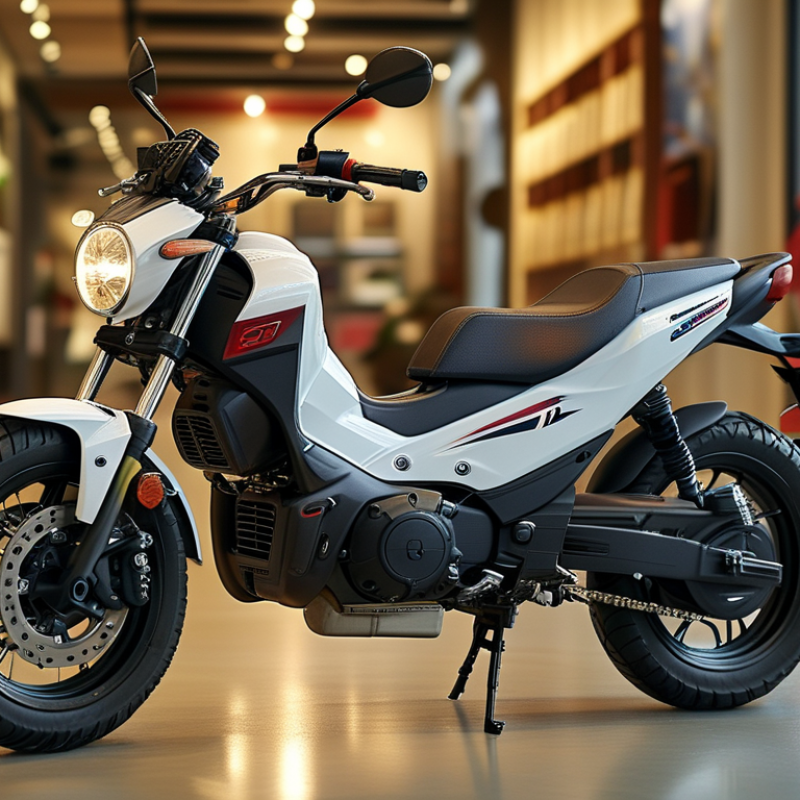
Define Your Riding Needs and Local Scooter Requirements
Before choosing a 50cc scooter, define how and where you will ride. A short urban commute needs different features from weekend trips on uneven roads. Measure your daily route. Note steep hills, rough pavement, traffic speed, and available parking. A lightweight scooter may be convenient, but it can feel underpowered on hills or with extra cargo. I once focused too much on storage and underestimated weather protection. That was a poor trade-off.
Tip 1: Write down your real weekly distance and riding times.
Tip 2: Check whether the seat height allows both feet to touch the ground comfortably.
Tip 3: Test the storage space with your helmet, lock, and rain gear.
Tip 4: Ask for a supervised test ride, if permitted. Pay attention to braking control, mirror visibility, and balance at low speed. Comfort matters more than showroom appearance.
Local requirements can change your buying decision. Confirm the vehicle’s permitted engine size and maximum speed with your transport authority. Check licensing, registration, insurance, helmet, lighting, and passenger rules before paying. Some areas restrict small scooters from certain roads or require specific safety equipment. Also verify emissions and parking requirements. Written guidance is safer than a casual sales claim. Regulations can change. My advice may need checking against your local authority’s latest information.
Compare Engine Performance, Fuel Use, and Real-World Range
A 50cc scooter can feel lively in town, yet engine performance varies sharply between models. Look beyond the advertised top speed. Check how quickly the scooter moves from a traffic light, climbs a short hill, and carries an adult with a small load. A smooth four-stroke engine usually offers predictable power and lower fuel use. However, it may feel slower on steep roads or during strong headwinds. Review maintenance records, engine noise, idle stability, and cold-start behavior before buying.
Fuel economy figures often come from controlled tests. Real streets are less forgiving. Frequent stops, heavy traffic, low tire pressure, and extra weight can increase fuel consumption. Measure fuel use over several full tanks, not one short ride. Divide the distance traveled by the fuel added. Keep the calculation simple. A small mistake can distort the result.
Real-world range matters more than a dramatic laboratory number. If a scooter uses 2.5 liters per 100 kilometers and carries a 6-liter tank, the theoretical range is about 240 kilometers. Leave a safety margin for hills, weather, and reserve fuel. In practice, planning around 180 to 200 kilometers may be wiser. My initial range estimate would have been too optimistic. That is worth remembering when comparing engine response, fuel costs, and daily reliability.
Evaluate New and Used Scooters, Prices, and Ownership Costs
Price is only the entry point when choosing a 50cc scooter. A new scooter usually brings predictable servicing, a warranty, and fewer hidden faults. However, dealer preparation, registration, insurance, taxes, and protective equipment can raise the real bill. Ask for a written, itemized quote. Do not rely on a cheerful sales estimate. Monthly fuel costs are often modest, but tires, brakes, belts, batteries, and storage still matter. Small expenses accumulate.
Used scooters can offer better value, especially after early depreciation. Inspect the frame, steering, brakes, tires, lights, suspension, and engine starting from cold. A warm engine may hide difficult starting or excessive smoke. Check service records and compare mileage with visible wear on grips and footrests. Ask whether ownership documents match the vehicle and whether required local checks are current. An independent mechanic can spot leaks, worn drive parts, or crash damage. I once underestimated repair costs because a cheap scooter looked tidy. That mistake changed my budget.
Build a twelve-month budget before paying. Include fuel, routine service, replacement parts, parking, insurance, registration, and unexpected repairs. Set aside a repair reserve, even for a new machine. Compare the total cost, not just the advertised price. Test the riding position and storage with your daily bag. A bargain that feels cramped may become an expensive regret. Clear records, gentle use, and timely maintenance usually make a used scooter easier to sell.
Inspect the Scooter and Confirm Warranty, Service, and Parts Support
Tip 1: Inspect the scooter in daylight, not under a dealer’s bright showroom lights. Check the frame for uneven paint, cracks, or fresh welding marks. Look closely at the tires, brake discs, cables, and steering bearings. A 50cc scooter should start cold without excessive smoke or rattling. Ask the seller to leave the engine untouched before your visit. A warm engine can hide starting problems.
I once focused too much on clean body panels and missed a loose rear brake connection. That mistake was expensive and embarrassing. Test the lights, horn, indicators, throttle return, and electric starter. Sit on the scooter and turn the handlebars fully. They should move smoothly without catching. Check the odometer against service paperwork, but do not treat mileage as absolute proof.
Tip 2: Read the warranty before paying. Confirm its length, covered components, exclusions, and required maintenance schedule. Ask who performs warranty repairs and how long parts usually take to arrive. Written answers are better than friendly promises. Request the service booklet, inspection record, and parts contacts. Common items, such as belts, rollers, brake pads, filters, and cables, should be reasonably available. Support matters after the sale. My advice is not perfect, but it is practical: take photos, write down questions, and have an independent technician inspect the scooter when possible.