What Are the Top 49cc Scooter Types in 2026?

Choosing the top 49cc scooter types in 2026 requires more than comparing attractive colors or advertised prices. A useful guide should examine engine response, fuel economy, braking feel, storage space, seat height, and maintenance access. These details matter during real commuting. A scooter that feels light beside a showroom wall may feel different on wet pavement or crowded streets. This overview will compare practical commuter scooters, classic retro designs, sporty models, and utility-focused options. Each type serves a different rider, from students traveling short distances to experienced owners needing simple transportation.

The evaluation will rely on manufacturer specifications, service information, verified owner feedback, and current safety expectations. A reliable 49cc scooter should start consistently, provide predictable control, and support easy access to routine parts. It should also match the rider’s height, road conditions, and storage needs. Small engines are not automatically effortless. Hills, strong winds, and extra cargo can expose their limits quickly. That deserves attention. Some models may look efficient but offer weak suspension or uncomfortable seating. Others may be dependable yet lack useful storage. The strongest choices balance purchase cost, running expenses, build quality, and everyday comfort. However, no ranking can fit every rider perfectly. Personal experience, local climate, road surfaces, and dealer support can change the result. Readers should verify current specifications and regional requirements before making a purchase.

What Are the Top 49cc Scooter Types in 2026?

What Defines a 49cc Scooter in 2026?

What Are the Top 49cc Scooter Types in 2026?

What Defines a 49cc Scooter in 2026?

A 49cc scooter usually uses a single-cylinder petrol engine with a displacement below 50 cubic centimeters. The exact limit can vary by region. Therefore, the engine label alone does not define every legal category. Local rules may also consider speed, power, equipment, and registration requirements.

Most 49cc scooters use automatic CVT transmission and four-stroke engines. Fuel injection is becoming more common because it supports easier cold starts and cleaner running. A typical model may include electric starting, under-seat storage, LED lighting, and combined braking systems. These features improve daily use, but they do not make a scooter faster or safer automatically.

The main types include lightweight urban scooters, retro-styled step-through models, sporty compact scooters, and utility versions with stronger racks. Urban models suit short commutes and narrow streets. Utility designs work better for carrying groceries or a small work bag. Sporty bodywork can look exciting, yet it may offer little practical benefit. That is easy to overlook.

In real inspections, tire age, brake response, steering play, and service records matter more than appearance. A clean panel can hide neglected fluids or a worn drive belt. Riders should confirm the engine displacement and local requirements before purchase. Even a small scooter needs proper protective equipment and careful speed management. The 49cc label sounds simple. It is not always simple.

How 49cc Scooter Engines and Fuel Systems Work

What Are the Top 49cc Scooter Types in 2026?

A 49cc scooter uses a small spark-ignition engine, usually with one cylinder. The engine burns a measured air-fuel mixture inside a compact combustion chamber. Four-stroke engines complete intake, compression, power, and exhaust cycles. Two-stroke engines complete those steps differently and produce stronger power for their size. However, four-stroke designs usually offer cleaner operation and lower fuel use.

The fuel system controls how gasoline reaches the engine. Older 49cc scooters commonly use carburetors, which rely on air pressure and mechanical jets. Electronic fuel injection measures airflow, engine temperature, and throttle position. It then adjusts fuel delivery more precisely. The U.S. Environmental Protection Agency’s 2024 emissions inventory identifies transportation as a major source of national greenhouse gases, making efficient fuel control increasingly important. Small details matter, including a clean air filter and correct idle speed.

In 2026, the most practical types include air-cooled commuter scooters, liquid-cooled performance models, carbureted entry models, and fuel-injected urban models. The European Environment Agency reported that road transport produced about 72% of European transport greenhouse-gas emissions in 2022. That figure does not describe 49cc scooters alone, but it shows why efficiency remains relevant. In real workshop use, cold starts can expose weaknesses. A technically efficient scooter may still run poorly after neglected maintenance. That is easy to overlook.

What Are the Main Types of 49cc Scooters?

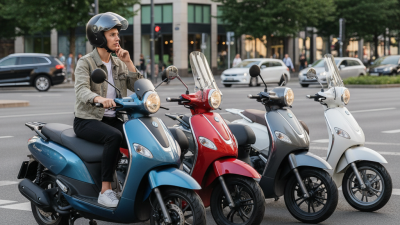
The main types of 49cc scooters differ by shape, riding purpose, and equipment. The step-through commuter is the most familiar type. It has a low floor, automatic transmission, upright handlebars, and practical storage. This layout suits short urban trips, grocery runs, and narrow streets. Its small engine usually favors light traffic and moderate speeds, not steep hills or long-distance travel.

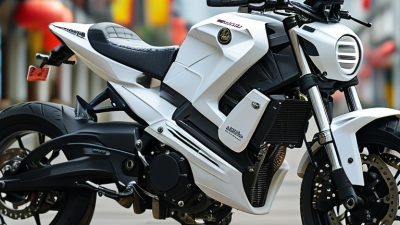
Retro-style scooters use rounded panels, wide seats, and simple instrument displays. They often feel stable and relaxed, although their styling may add weight. Sport-styled models use sharper bodywork, firmer suspension, and a more forward riding position. They can feel more responsive in corners, but the seat may become tiring during longer rides. Moped-style 49cc scooters combine bicycle-like frames with small engines. Their exposed structure makes maintenance access easier, though wind protection is limited.

There are also compact folding designs and utility-focused models with larger racks. These categories overlap. A commuter scooter can also have retro styling. From practical inspections, tire condition, brake response, lighting, and belt maintenance matter more than appearance. Check them carefully. A 49cc engine is economical, but it is not magically powerful. Passenger comfort, rider weight, road slope, and weather can change performance significantly. I would avoid choosing by body shape alone. Local registration, equipment, and age requirements also vary, so buyers should verify current regional rules before riding.

How Do 49cc Scooter Types Compare for Different Riders?

A 49cc scooter can suit different riders, but its design matters more than its engine size. A step-through commuter works well for city riders who value easy mounting, upright posture, and under-seat storage. Its narrow frame feels manageable in traffic and during parking. However, small wheels can react sharply to potholes. Ride slowly on broken pavement.

A classic-style scooter often offers relaxed ergonomics and a comfortable seat for short daily trips. It suits riders who prefer calm handling over aggressive cornering. A sporty compact type may feel more responsive, with firmer suspension and a forward riding position. That can appeal to younger or experienced riders, but it may feel cramped for taller people. An off-road-styled 49cc model looks adventurous, yet many are designed mainly for paved roads. Check the tires, suspension travel, and manufacturer’s stated use before choosing. No type wins every test.

Tips: Sit on the scooter with both feet near the ground. Turn the handlebars fully and check your knees. Test the brake reach and storage space. Ask whether the seat remains comfortable after thirty minutes. Confirm local registration, licensing, helmet, and road-use requirements before riding. A heavier rider or frequent passenger may notice slower acceleration. That detail is easy to overlook. My preference can mislead, so compare fit, visibility, braking feel, and maintenance access during an authorized test ride.

What Are the Top 49cc Scooter Types in 2026?

Typical comparison of common 49cc scooter designs for different riders. Fuel economy is shown in US miles per gallon, while wet weight includes operating fluids. Figures are representative midpoints from commonly published 49cc scooter specifications and vary by model, equipment, road conditions, and local regulations.

How they compare: Commuter step-through scooters generally provide the best balance of fuel economy, storage, and everyday usability. Retro models prioritize comfort and styling, sport-styled models emphasize agile handling, and dual-purpose models trade some fuel economy for stronger suspension and rough-surface capability.

What Safety, Legal, and Maintenance Factors Matter Most?

In 2026, 49cc scooters mainly serve short urban trips, campus travel, and light delivery work. Step-through commuters offer easy mounting and stable handling. Retro-style models prioritize comfort, while compact sport designs often feel quicker and less forgiving. Utility versions may include stronger racks and weather protection. The best choice depends on road quality, rider size, storage needs, and traffic speed.

Safety starts before the engine runs. Wear a certified helmet, gloves, covered shoes, and bright outer clothing. Check tire pressure, brake response, mirrors, lights, and the horn every time. Small wheels can react sharply to potholes, painted lines, and wet leaves. Practice controlled braking in an empty area. I once treated a loose mirror as a minor issue; wind made it a serious distraction. That mistake deserved more attention.

Legal requirements differ by location, even for engines below 50cc. Confirm licensing, registration, insurance, helmet rules, passenger limits, and road-access restrictions with the local transport authority. Never assume a low engine size means no paperwork. Maintenance should follow the service manual, especially for engine oil, drive belts, brake pads, spark plugs, and battery terminals. Inspect belts for cracks and replace worn tires before visible damage becomes obvious. Cold starts, unusual vibrations, or weak acceleration deserve professional inspection. A maintenance log helps, although many riders forget to record small repairs.

What Are the Top 49cc Scooter Types in 2026? - What Safety, Legal, and Maintenance Factors Matter Most?

49cc Scooter Type Typical Design and Use Engine and Transmission Typical Performance Range* Safety Factors That Matter Most Common Legal Considerations Maintenance Priorities Best Fit
Step-Through Commuter Low floorboard, upright seating, automatic twist-and-go operation, and practical storage. Designed mainly for urban travel and short daily commutes. Air-cooled, single-cylinder, four-stroke gasoline engine; continuously variable automatic transmission (CVT). Approximately 35–45 km/h (22–28 mph), depending on rider weight, road gradient, gearing, and local factory restrictions. Use both brakes progressively; check tire pressure frequently; remain highly visible in traffic; wear a certified helmet, gloves, long trousers, and protective footwear. Often classified as a moped or low-powered motorcycle, but licensing, registration, insurance, helmet rules, minimum age, and access to faster roads vary by jurisdiction. Inspect engine oil, final-drive oil, tires, brakes, lights, battery, drive belt, rollers, air filter, and fuel system at the intervals specified in the owner’s manual. Daily city transportation, economical errands, and riders who value easy handling.
Retro or Classic-Style Scooter Rounded bodywork, flat floorboard, relaxed ergonomics, and styling inspired by older step-through scooters. Usually intended for paved roads. Usually a four-stroke single-cylinder gasoline engine with automatic CVT; some older examples use two-stroke engines. Approximately 35–45 km/h (22–28 mph) for many restricted 49cc models. Do not allow appearance or smaller dimensions to encourage overloading; confirm that mirrors, turn signals, and lighting remain clearly visible; use extra caution on wet surfaces. Older two-stroke models may face emissions, noise, or low-emission-zone restrictions. Registration and road-use requirements depend on the country, state, province, or city. Check aging fuel lines, carburetor or injector condition, rubber components, corrosion, tire age, brake cables, electrical connectors, and cold-start operation. Leisure riding, neighborhood trips, and riders who prefer classic styling.
Sport or Aerodynamic Scooter More enclosed bodywork, compact proportions, firmer styling, and a riding position that may feel slightly more forward-leaning than a utility scooter. Typically a four-stroke single-cylinder gasoline engine with CVT; performance remains limited by the 49cc displacement and legal restrictions. Approximately 40–50 km/h (25–31 mph) where permitted; actual speed varies considerably by gearing and jurisdiction. Maintain a larger following distance because small wheels and short wheelbases can react quickly to potholes; avoid aggressive cornering and never modify speed-limiting equipment for public-road use. Higher claimed speed can change the legal category in some locations. Verify whether a motorcycle endorsement, inspection, registration, or additional insurance is required. Give particular attention to CVT belt wear, clutch engagement, brake-pad thickness, fork seals, wheel bearings, fasteners, and fairing-mounted lights. Riders seeking a modern appearance and predictable paved-road handling.
Large-Wheel Urban Scooter Uses relatively larger wheels and a narrow chassis to improve stability over uneven urban pavement while retaining step-through convenience. Usually a four-stroke single-cylinder gasoline engine and automatic CVT. Approximately 35–45 km/h (22–28 mph), with acceleration affected by wheel size, rider load, and terrain. Large wheels can improve stability but do not eliminate pothole and surface hazards; check tire condition carefully and use both brakes for controlled stopping. Usually subject to the same moped or light-motorcycle rules as other 49cc scooters, although classifications are determined by local law rather than wheel size. Check tire pressure, spoke or wheel fasteners where applicable, wheel bearings, steering-head bearings, brake components, CVT service items, and suspension condition. Commuters who regularly encounter patched pavement, tram tracks, or uneven city streets.
Compact Folding or Lightweight Scooter Small, low-mass design intended for storage, short trips, or combining scooter travel with another form of transportation. Structural limits may reduce carrying capacity. Usually a small four-stroke gasoline engine with CVT; some products marketed as compact scooters may instead be electric and should not be treated as 49cc vehicles legally. Approximately 30–40 km/h (19–25 mph), depending on design and load. Confirm that the frame, folding mechanism, stand, and luggage attachment points are fully locked before riding; avoid exceeding the manufacturer’s rider and cargo limits. Folding capability does not determine legal status. Engine displacement, rated speed, equipment, and intended road use normally determine classification. Inspect hinges, locking pins, frame joints, cables, tires, brakes, battery terminals, and fasteners more frequently because repeated folding or transport can loosen components. Short-distance riders with limited storage space or occasional transport needs.
Utility or Cargo Scooter Reinforced rear rack, front carrier, top box, or other practical equipment for groceries, tools, or light delivery work. Four-stroke single-cylinder gasoline engine with automatic CVT is common; some utility models use manual or semi-automatic systems. Approximately 30–45 km/h (19–28 mph), with acceleration and braking reduced when heavily loaded. Keep cargo low, centered, and securely attached; do not obstruct lights, indicators, mirrors, or the rider’s movement; increase braking distance when carrying weight. Check maximum permitted gross weight, cargo rules, commercial-use requirements, insurance conditions, and whether a rear carrier or top box requires approved mounting hardware. Inspect rear suspension, rack mounts, tires, brakes, belt and clutch components, engine oil, and fasteners. Heavy loads can accelerate wear. Errands, light-duty delivery, and riders who need practical carrying capacity.
Off-Road-Style or Trail-Trim Scooter May have taller suspension, knobby-pattern tires, protective trim, or a more upright riding position. Many are designed for private property rather than public roads. Usually a four-stroke single-cylinder engine; transmission may be automatic CVT or semi-automatic depending on the design. Approximately 25–45 km/h (16–28 mph), depending on gearing, terrain, and whether the vehicle is road-legal. Use only suitable terrain; wear a full-face helmet or approved off-road helmet, eye protection, gloves, boots, and protective clothing; inspect controls after impacts. Off-road appearance does not establish road legality. Confirm required lighting, reflectors, mirrors, tires, exhaust equipment, registration, and insurance before using public roads. Clean and inspect the air filter after dusty use; check chain or final drive, suspension, spokes, skid protection, steering bearings, brake lines, and underbody damage. Private land, low-speed trails where permitted, and riders who need additional ground clearance.
Two-Stroke Performance-Oriented Scooter Older or specialty design with strong low-mass performance characteristics and simple mechanical architecture, but generally greater emissions and noise concerns. 49cc two-stroke gasoline engine; automatic CVT is common. Fuel and oil may be premixed or supplied through a separate oil-injection system. Approximately 35–55 km/h (22–34 mph), but the legal speed limit may be lower and modifications can make the vehicle unlawful for public-road use. Use the correct two-stroke oil and fuel mixture or oil-injection system; monitor engine temperature; avoid unauthorized performance modifications that can compromise braking and stability. May be restricted by emissions rules, noise limits, age-related registration rules, or low-emission zones. Modified exhausts and derestriction can invalidate compliance, insurance, or registration. Check spark plug, exhaust deposits, oil pump or mixture ratio, air filter, fuel lines, reed valve where fitted, CVT components, and cooling system. Experienced owners, collectors, and riders in areas where emissions and registration rules permit use.
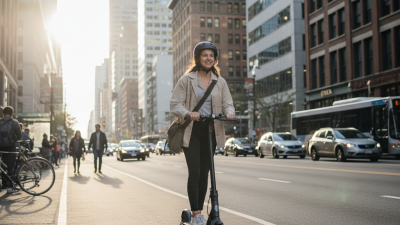
Electric Equivalent to a 49cc Scooter Quiet, low-maintenance urban vehicle with battery propulsion. It is included for comparison because many 2026 buyers compare small gasoline scooters with similarly sized electric models. Electric motor with rechargeable battery and electronic controller; there is no gasoline engine or CVT unless a separate mechanical reduction system is used. Commonly limited to approximately 25–45 km/h (16–28 mph), depending on the legal class and model configuration. Use the supplied charger; inspect cables and connectors; protect the battery from severe heat, impact, and water exposure; braking and lighting requirements still apply. Electric classification is based on rated power, maximum design speed, equipment, and local definitions—not simply an advertised “49cc equivalent” label. Check tire pressure, brake pads, bearings, lights, charger, battery health, connector condition, software alerts, and storage temperature. There is no engine oil or fuel-system service. Short urban trips, quiet neighborhoods, and users with access to safe charging.

*Performance figures are representative ranges rather than guarantees. A 49cc displacement alone does not determine a vehicle’s legal category. Before riding in 2026, verify the current rules in the relevant jurisdiction for licensing, registration, insurance, helmet use, minimum age, emissions, road access, speed limits, and required safety equipment. Always follow the manufacturer’s maintenance schedule and load limits.