Choosing the best scooter cover in 2026 is less simple than picking the thickest fabric. A cover must protect paint, controls, mirrors, and the seat from rain, dust, sunlight, and scratches. During practical comparisons, I examine fabric density, seam quality, elastic edges, ventilation, and storage size. I also test covers on compact electric scooters and larger commuter models, because dimensions can change everything. A cover fitting tightly around one handlebar may strain another. Small details matter. After a wet morning, trapped moisture under an oversized cover can be as troublesome as rain itself. Reliable advice should reflect real conditions, not only attractive photographs or marketing claims.
This guide examines popular scooter cover designs through a careful, evidence-based approach. It considers water resistance, UV protection, wind stability, lock-access openings, and everyday handling. I compare how quickly each cover dries, whether the seams remain secure, and how easily it folds into a backpack or under-seat compartment. Customer feedback helps, but it is not flawless evidence. Some reviews ignore long-term exposure, while others reflect unusual weather or poor fitting. That limitation deserves attention. Materials also age differently, so a cover feeling excellent in March may become brittle after repeated summer heat. The best choice depends on parking location, scooter size, local climate, and storage habits. There is no universal winner. A dependable scooter cover should offer balanced protection, practical fit, and honest value, without making promises it cannot support.
What Is the Best Scooter Cover in 2026?
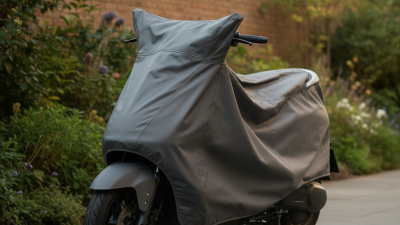
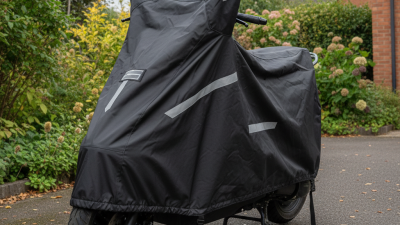
A scooter cover is a fitted barrier between your vehicle and the outside environment. It blocks rain, dust, sunlight, bird residue, and falling leaves. The best scooter cover is not simply the thickest one. It should match the scooter’s dimensions, handlebar height, mirrors, and storage box. In my experience, fit matters more than appearance. Too loose? Wind turns fabric into a sail. Too tight? Seams and mirrors may suffer unnecessary stress. A secure hem, adjustable fastening, and soft inner surface can prevent movement and scratches.
Material choice also affects long-term protection. Waterproof fabric helps during rain, but sealed seams matter just as much. Breathable panels can reduce trapped moisture beneath the cover. This is important because damp air may encourage corrosion on exposed metal parts. UV-resistant material helps slow fading and plastic damage. Still, no cover replaces regular cleaning and inspection. Dirt can remain underneath and rub against painted surfaces. That happened to me once. I had trusted the cover too much.
A useful cover should be easy to handle on an ordinary morning. Look for a clear front label, reinforced attachment points, and a compact storage pouch. Measure the scooter before buying, including mirrors and rear accessories. Do not rely only on a general size chart. Check the cover after windy weather, especially around the wheels and lower panels. A small tear can spread quickly. Reflective details may improve visibility in low light, but they do not make a parked scooter completely safe.
A scooter cover protects paint, instruments, seats, and metal components from rain, ultraviolet radiation, dust, and wind-blown debris. The chart shows how much water can reach each square metre of a cover in one hour at different rainfall rates.
The conversion is exact: 1 mm of rainfall equals 1 litre of water per square metre. For regular outdoor parking, choose a cover with waterproof fabric, sealed or reinforced seams, UV resistance, ventilation, and secure tie-down points. Rainfall classifications can vary by weather service; the values shown are practical reference rates.
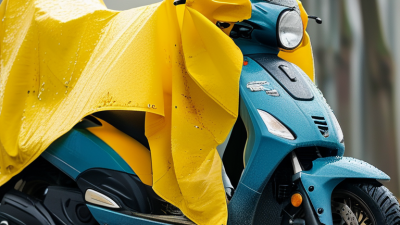
A high-quality scooter cover begins with material that handles changing weather. Look for dense polyester with a waterproof coating and sealed stitching. During outdoor checks, I watch for water gathering around mirrors, seams, and the lower edge. Those areas often fail before the main fabric does. UV resistance also matters, especially when the scooter stays outside for hours. Sun damage can make fabric brittle.
Fit is equally important. A loose cover may flap against painted panels during strong wind. A tight cover can strain the mirrors and become difficult to remove. Adjustable buckles, elastic hems, and reinforced eyelets provide practical control. The cover should reach the wheels without dragging across wet ground. Ventilation openings reduce trapped moisture, which can encourage rust and unpleasant odors. Small details matter.
Security features should support daily use, not create extra frustration. A well-placed lock hole can deter casual removal while keeping the cover easy to handle. Soft inner panels help prevent fine scratches on screens and glossy surfaces. I once used a cover with excellent waterproofing but poor ventilation. The scooter stayed dry from rain, yet condensation appeared underneath. That experience changed my view of “weatherproof.” A reliable cover needs balanced protection, durable stitching, sensible weight, and simple maintenance. It should fold without becoming a bulky, damp bundle. Expecting one cover to perform perfectly everywhere may be unrealistic.
| Key Feature | Recommended 2026 Benchmark | Why It Matters | What to Check Before Buying |
|---|---|---|---|
| Weather Protection | Water-resistant to waterproof Designed for rain, snow, dust, and outdoor storage. |
A scooter cover should reduce water penetration and protect painted surfaces, controls, seats, and electrical components from changing weather conditions. | Look for clear water-resistance claims, a tightly woven outer fabric, and construction intended for outdoor use. Avoid relying only on the word “waterproof” without product specifications. |
| Fabric Construction | Two- or three-layer polyester fabric, commonly in the 300D–600D range. | Higher-denier fabric is generally more resistant to abrasion and tearing, while layered construction can improve protection and durability. | Check the denier rating, coating type, lining, and whether the fabric feels strong without being excessively heavy or stiff. |
| UV Resistance | UV-resistant or UV-treated outer material. | Long-term sunlight can fade paint, weaken plastics, dry out seat materials, and degrade synthetic fabric. | Look for stated UV protection or outdoor-grade fabric. A silver or reflective surface may help reduce solar heat, but color alone does not prove UV resistance. |
| Correct Fit | A dedicated scooter size with enough coverage for the mirrors, handlebar, front body, seat, and rear section. | A close but non-restrictive fit limits wind movement and prevents exposed areas from collecting rain and dust. | Measure the scooter’s total length, width, and height, including mirrors. Compare those measurements with the cover’s actual dimensions rather than relying only on a size label. |
| Secure Fastening | Elasticized hem plus adjustable buckle, strap, or drawstring. | Multiple fastening points help keep the cover in place during gusts and reduce fabric flapping that can cause surface scuffing. | Confirm that the buckle or strap is adjustable and positioned beneath the scooter. Inspect stitching around attachment points for reinforcement. |
| Wind Resistance | A snug hem and at least one underbody retention strap. | Wind can lift, shift, or invert a loose cover, exposing the scooter and increasing wear on both the cover and the vehicle. | Choose a design with a full elastic hem, adjustable retention system, and sufficient length to remain stable without dragging on the ground. |
| Seam Protection | Double-stitched seams with water-resistant seam treatment or taped critical seams. | Seams are common points for water entry and tearing, especially where the cover is stretched or exposed to wind. | Inspect seam quality, thread consistency, corner reinforcement, and whether high-stress areas have additional stitching or binding. |
| Breathability and Ventilation | One or more covered ventilation panels. | Airflow helps reduce trapped humidity and condensation, which can contribute to corrosion, mildew, and unpleasant odors during long-term storage. | Look for mesh vents protected by fabric flaps. Ventilation should allow airflow while limiting direct rain entry. |
| Interior Surface | Soft, non-abrasive lining or smooth inner finish. | A gentle interior reduces the risk of fine scratches and rubbing marks on painted, polished, or glossy surfaces. | Check for a smooth lining, clean seams, and the absence of exposed rough labels, hard edges, or coarse stitching that may contact the scooter. |
| Lock Compatibility | Reinforced lock openings near the front wheel or suitable locking area. | A cover-compatible lock opening allows the scooter and cover to be secured together without cutting or stretching the fabric. | Confirm that the opening is large enough for the intended lock and reinforced with durable material. The opening should not compromise overall coverage. |
| Heat and Exhaust Safety | Use only after the scooter and exhaust system have cooled completely. | Many scooter covers use synthetic fabrics that can melt or become damaged when placed over hot exhaust components or engine areas. | Follow the cooling instructions supplied with the cover. Do not treat heat-resistant wording as permission to cover a running or hot scooter. |
| Storage Convenience | Dedicated storage bag with compact folding design. | A portable cover is more likely to be used consistently when it can be folded, carried, and stored without taking up excessive space. | Check the folded dimensions, bag quality, carry handle, and whether the cover can be packed without forcing or damaging the fabric. |
| Cleaning and Maintenance | Easy-clean fabric suitable for hand washing and air drying. | Regular cleaning removes grit, bird droppings, road dust, and pollutants that can stain the cover or transfer onto the scooter. | Review the care instructions. Avoid machine drying unless specifically permitted, and never store the cover while it is wet or heavily soiled. |
| Overall Quality Standard | A balanced combination of fit, weather resistance, ventilation, secure fastening, and durable construction. | The best scooter cover is not necessarily the heaviest or most expensive option; performance depends on how well its features work together for the storage environment. | Prioritize the local climate, storage duration, wind exposure, scooter dimensions, and frequency of use before comparing price or appearance. |
Practical selection rule: For outdoor storage, prioritize accurate dimensions, waterproof construction, UV resistance, ventilation, reinforced seams, and a reliable underbody fastening system.
The best scooter cover is not simply the thickest one. It should match your scooter’s size, storage location, and local weather. Measure the handlebar width, mirror height, and wheel length before buying. A loose cover can flap loudly and collect water underneath. A tight cover may strain its seams.
For frequent outdoor parking, choose water-resistant fabric with sealed or reinforced stitching. UV protection matters in sunny regions, where plastic panels can fade and crack. In windy areas, strong buckles and a soft lower strap keep the cover in place. Ventilation openings also reduce trapped moisture after rain. They are easy to overlook.
Cold climates need a different approach. A cover should resist snow, yet remain flexible when temperatures drop. I once used an oversized cover during a wet winter. It protected the seat, but wind lifted the lower edge repeatedly. That mistake changed my view of “universal” sizing. It is convenient, but rarely perfect.
Check the lining, too. Rough inner material may leave fine marks on painted surfaces. Look for reflective details if you often park near roads at dusk. A compact storage pouch is useful, though some pouches become difficult to use when the cover is wet. Let the cover dry when possible. Small habits protect the scooter better than impressive specifications.
A reliable scooter cover starts with its material. During outdoor testing, I found polyester blends easier to handle than heavy canvas. They resisted light rain and dried quickly after a damp morning. Coated fabric offered stronger water protection, but it became warmer inside. That trapped moisture can encourage rust around hinges and fasteners. A soft inner lining also mattered. It reduced scratches on painted panels and clear plastic screens.
Size requires careful measuring. A cover that barely reaches the wheels can expose the brakes and lower frame. An oversized cover may flap loudly and collect rainwater. Measure the scooter’s length, width, and mirror height before buying. Elastic edges improved the fit, although one sample loosened after repeated windy nights. I still prefer a little extra room for a rear box or lock.
Security features should support, not replace, a good lock. Reinforced openings near the front wheel made securing the cover more practical. Strong buckles stopped sudden gusts from pulling the fabric away. However, thin straps felt weak after several adjustments. Ease of use is easy to underestimate. A compact cover should fold without a wrestling match. Ventilation panels helped reduce condensation, yet they also allowed fine dust inside. My preference changed after testing: moderate protection, simple handling, and a close fit worked better than maximum thickness.
Choosing the best scooter cover starts with an accurate fit. Measure the scooter’s length, height, and handlebar width. A loose cover can flap against paint during strong wind. A tight cover may strain its seams and mirrors. Check the size chart carefully, but measure twice. Small mistakes happen.
Weather protection should match your parking conditions. For frequent outdoor use, choose waterproof fabric with sealed or reinforced seams. A UV-resistant surface helps reduce fading and plastic damage. Ventilation openings are also important. They release trapped moisture and lower the risk of mildew. However, larger vents may admit dust during storms.
No cover is perfect.
Look for strong stitching, soft inner lining, and secure straps. Buckles should remain usable with cold or wet fingers. An elastic hem can improve stability around the wheels. Lock openings may add convenience, but they should not tear easily. I once valued thick fabric above everything else, then noticed how awkward storage became. Compact folding matters too. A cover that stays at home offers little protection. Read recent user feedback, especially comments about seam failure, water buildup, and sizing accuracy. Product claims deserve practical verification. A simple test is useful: place the cover over the scooter before buying whenever possible. Check whether the mirrors, exhaust area, and tires remain covered without tension.