What is a 49cc moped and why is it so popular worldwide?
The world of transportation is evolving. Among various options, the 49cc moped stands out for its unique blend of practicality and efficiency. According to industry expert Dr. Emily Rivera, “The 49cc moped is not just a vehicle; it's a lifestyle choice for many.” This compact scooter offers an eco-friendly way to navigate urban environments. With growing concerns over fuel prices and environmental impact, the popularity of the 49cc moped continues to rise.
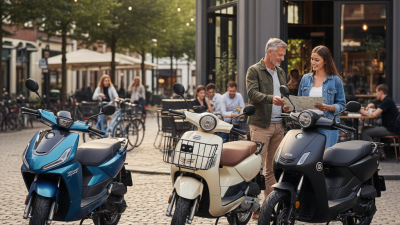
Many urban dwellers are drawn to its affordability and ease of use. These mopeds provide an escape from daily traffic jams. Furthermore, their lightweight design makes them accessible for riders of all ages. However, the increasing number of mopeds on the street can lead to challenges, such as safety concerns and parking shortages. Riders must choose wisely and be aware of local regulations.
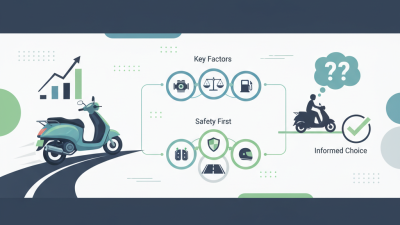
The allure of the 49cc moped lies in its simplicity. Yet, potential buyers should reflect on their specific needs and riding conditions. This consideration ensures that the 49cc moped serves not just as a mode of transport, but as a reliable companion through the bustling streets.
What Defines a 49cc Moped and Its Mechanisms of Operation
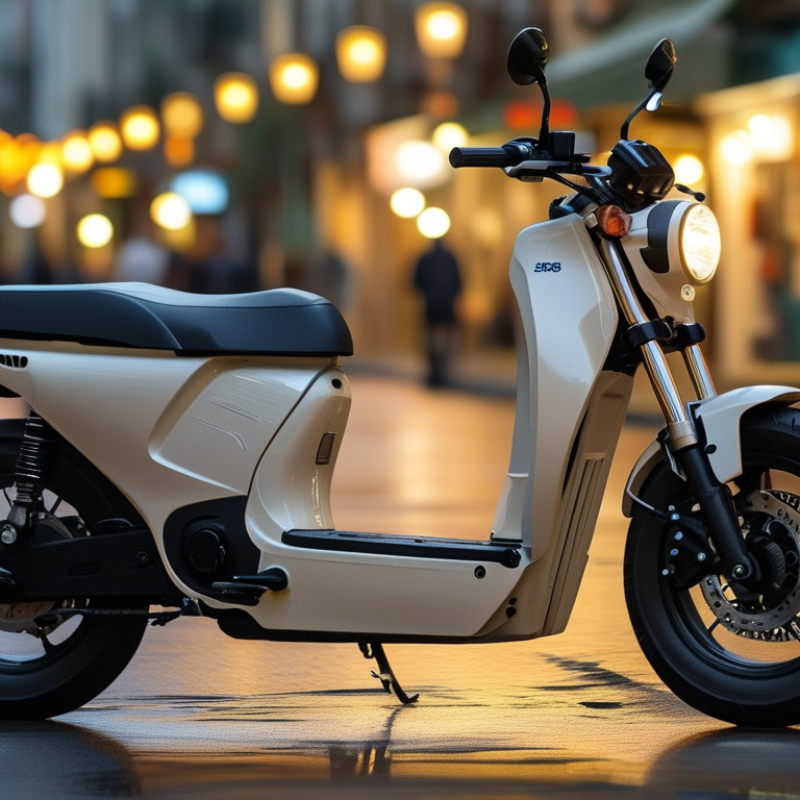
A 49cc moped is a lightweight and compact two-wheeled vehicle, typically designed for short-distance travel. The engine capacity is limited to 49cc (cubic centimeters), which allows for easy handling and maneuverability. This small engine size contributes to lower fuel consumption and less environmental impact. According to a report by the Motorcycle Industry Council, mopeds are a popular choice in urban areas due to their efficiency and convenience.
The mechanics of a 49cc moped are relatively simple. It usually features an automatic transmission, which eliminates the need for manual gear shifting. This makes riding accessible to individuals with varying levels of experience. The majority operate on a two-stroke or four-stroke engine. The two-stroke engines are lighter and provide more power per stroke but may require more frequent maintenance. Meanwhile, four-stroke engines, while heavier, tend to be quieter and more fuel-efficient. A 2021 analysis indicated that 49cc mopeds are gaining traction in environmentally conscious communities, where mobility solutions are sought after.
One notable aspect of 49cc mopeds is their adaptability in different environments. They can navigate through congested urban streets or rural pathways with ease. However, their limited power means they may not perform well on highways. Users should consider this when choosing a moped for their lifestyle. Understanding these operational specifics can guide potential buyers in making informed choices, ensuring they select a vehicle that meets their needs while also reflecting on its environmental implications.
Global Popularity: Trends and Statistics for 49cc Mopeds
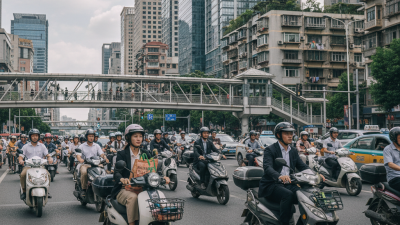
The 49cc moped has gained immense popularity across regions. This small vehicle is lightweight and easy to maneuver, making it ideal for urban commutes. Many cities see 49cc mopeds as a solution to traffic congestion. They offer a practical alternative to cars while being eco-friendly. The global trend shows a steady rise in moped usage, especially among younger riders. Statistics indicate a growing market, with increased sales in Asia and Europe.
Choosing a 49cc moped can be a rewarding experience. Look for models that emphasize fuel efficiency and comfort. Check local regulations on licensing and insurance, as these can vary. Some areas may have restrictions on where mopeds can be ridden. Always ensure safety gear is worn when riding, as accidents can happen unexpectedly.
It’s worth acknowledging that not everyone finds riding a moped easy. Some may struggle with balancing or operating the throttle smoothly. Practice in a safe area can help build confidence. Understanding local traffic laws is crucial. Riders should remain aware of their surroundings at all times.
With these considerations, exploring the world of 49cc mopeds can be a fulfilling journey. Embrace the freedom they offer while staying informed and safe on the road.
Regulatory Landscape: License Requirements for 49cc Mopeds Across Regions
The regulatory landscape for 49cc mopeds varies significantly across different regions. In the United States, many states require riders to possess a motorcycle endorsement or specific moped license. Meanwhile, some states allow riders to operate a moped with just a standard driver's license. According to a report by the Motorcycle Industry Council, approximately 35% of moped riders in the U.S. may not be familiar with their state's specific licensing requirements.
In Europe, the rules are generally more standardized. Most countries mandate that riders must be at least 16 years old, with valid identification. A category AM license is often required, which involves minimal training. Data from the European Commission shows that the adoption of 49cc mopeds is attributed to their affordability and ease of use in urban areas. However, inconsistent regulations can lead to confusion among potential riders, impacting overall safety.
In Asia, countries like Japan have specific license classes for smaller engines. Riders must pass practical exams to qualify. According to a report from the Asia-Pacific Economic Cooperation, the trend of using 49cc mopeds is increasing due to urban congestion and environmental concerns. Yet, stakeholders are often critical of the lack of unified safety regulations, which can lead to higher accident rates.
Popularity of 49cc Mopeds Around the World
Comparative Analysis: 49cc Mopeds vs. Other Small Motorized Vehicles
The 49cc moped stands out among small motorized vehicles due to its unique balance of power and efficiency. With a maximum speed typically around 30-40 mph, it caters to urban commuters who seek flexibility without the hassle of a larger vehicle. Industry reports indicate that over 50% of moped users are attracted by their fuel efficiency, offering up to 100 miles per gallon. Such savings on gas resonate with environmental concerns and personal budgets alike.
When compared to scooters and electric bikes, 49cc mopeds occupy a niche that appeals to a diverse audience. Unlike electric bikes that require charging infrastructure, mopeds can be refueled quickly and conveniently. However, they still face scrutiny regarding emissions and environmental impact. While they are more efficient than cars, they aren't entirely exempt from pollution issues. Additionally, the learning curve for new riders can present challenges, as these vehicles require specific handling skills.
In certain regions, licensing and insurance requirements can deter potential users. Many people wonder how strict these regulations should be. The balance between safety, convenience, and accessibility is still a point of contention among policymakers. While 49cc mopeds excel in urban mobility, questions remain about how best to integrate them into broader transportation frameworks. The future may hinge on addressing these complexities while promoting their advantages.
Environmental Impact: Emissions and Fuel Efficiency of 49cc Mopeds
49cc mopeds are known for their compact engines and fuel efficiency. They produce significantly lower emissions compared to larger vehicles. This makes them an attractive option for environmentally conscious riders. Many urban areas have adopted strict emissions regulations, pushing people towards these smaller alternatives.
The fuel efficiency of 49cc mopeds allows users to cover long distances with minimal fuel. This not only reduces costs but also decreases greenhouse gas emissions. However, not all mopeds perform equally in terms of efficiency. Some models may emit higher pollutants due to outdated technology or poor maintenance.
Riders should consider their moped’s impact on the environment. Regular maintenance can enhance fuel efficiency and keep emissions in check. While 49cc mopeds offer a solution for eco-friendly commuting, there is room for improvement in emissions technology. It's crucial to stay informed and choose wisely to minimize environmental footprints.