2026 How to Choose the Best Gas Moped for Your Needs?
Choosing the right gas moped can be challenging. With countless models available, understanding your needs is crucial. Expert Tom Anderson, a well-known figure in the moped industry, once stated, “The best gas moped is the one that fits your lifestyle and budget.” His advice sheds light on the importance of personal preferences in selecting a scooter.
Quality, performance, and fuel efficiency are key factors to consider. Each element can greatly impact your riding experience. A reliable gas moped should not only meet your daily commuting needs but also provide comfort and durability. Some features may seem appealing but may not suit all riders.
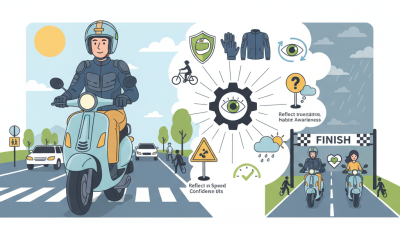
Reflecting on your preferences is essential. Are you seeking speed or fuel economy? Would you prefer a compact design or a robust build? Taking the time to identify these priorities can lead to a more satisfying purchase. After all, the right gas moped can enhance your daily travels, while the wrong choice can lead to disappointment.
Understanding the Basics of Gas Mopeds and Their Features
When choosing a gas moped, understanding the essential features is vital. Gas mopeds typically offer two-stroke or four-stroke engines.
Two-stroke engines are lighter and provide higher speed. However, they may not be as fuel efficient as four-stroke engines.
Data indicates that four-stroke engines produce 20% less emissions. This is significant for environmentally conscious riders.
Another important feature is the moped's weight and frame. A lighter frame can enhance maneuverability, especially in urban settings. A typical gas moped weighs between 120 to 160 pounds.
In addition, seat height is crucial for comfort and control. Most models have a seat height ranging from 28 to 32 inches. Riders should consider their own height when testing out different models.
Small details like these can impact the overall riding experience.
Safety features should not be overlooked. Integrated lights, horn, and proper brakes enhance ride safety.
Reports show that mopeds with anti-lock braking systems reduce the likelihood of accidents by 25%. Moreover, the quality of tires affects stability on the road.
Ensuring tires are suitable for the intended riding conditions is essential. Reflecting on these features helps riders choose the moped that suits their individual needs best.
Evaluating Your Personal Needs and Usage Scenarios
Choosing the right gas moped requires careful evaluation of your personal needs. Start by considering your daily commute. How far do you travel? A short, regular route demands a moped with good fuel efficiency and durability. If you plan to navigate city traffic, a lightweight model might suit you best.
Think about where you’ll ride. Smooth urban roads might not challenge a simple design. However, rough paths could require sturdier construction. Don’t overlook safety features; reliable brakes and visibility are crucial. Test drives can reveal a lot about comfort and handling.
Additionally, reflect on your future needs. Will your lifestyle change in a year? Anticipating changes in your usage can influence your choice significantly. Certain models might not be adaptable. This introspection can help avoid future regrets. Making an informed decision is vital, yet understanding the limitations is equally important. Balancing between desires and practical considerations can lead to satisfaction in your final choice.
2026 How to Choose the Best Gas Moped for Your Needs?
| Feature |
Description |
Recommended Use |
| Engine Size |
Typically between 50cc and 150cc |
Short commutes and city cruising |
| Fuel Efficiency |
Average 70-100 MPG |
Economical for daily use |
| Weight |
Typically 150-200 lbs |
Lightweight for ease of handling |
| Top Speed |
Ranges from 30 to 60 mph |
Suitable for city streets and nearby roads |
| Storage Capacity |
Under-seat storage or rear rack |
Good for groceries and small items |
| Comfort |
Seat height and cushioning |
Longer rides and personal preference |
| Maintenance |
Frequency and cost of servicing |
Consider for long-term ownership |
Key Specifications to Consider When Choosing a Gas Moped
When choosing the best gas moped, specifications matter. Pay attention to engine size, weight, and fuel efficiency. A smaller engine often means better mileage, ideal for city commuting. Weight affects maneuverability. Lighter models are easier to handle but may sacrifice stability.
Consider the moped's speed capabilities. Some models can reach 30 mph while others may slow down significantly. Different models also have varying seat heights. Comfort is key, especially on longer rides. It’s essential to find one that fits your height and riding style.
**Tips:** Test ride multiple models. Feel the difference in comfort and control. Research user reviews for insights on performance and reliability. Remember that sometimes, the best choice isn't the most expensive one. Reflect on your daily travel needs and select a moped that complements your lifestyle.
Gas Moped Key Specifications Comparison
This chart illustrates key specifications to consider when choosing a gas moped. The data includes engine size, weight, fuel tank capacity, top speed, and average miles per gallon (MPG).
Comparing Brands and Models: What to Look For
When choosing a gas moped, it’s essential to compare various brands and models.
Start by assessing the engine size. A smaller engine often means better fuel efficiency.
However, this might sacrifice speed and power. Look into the features each model offers. Some may have advanced safety options,
comfortable seating, or additional storage compartments.
Weight plays a crucial role. Consider your own size and strength. A heavier model may be more stable, but it can be challenging to maneuver.
Understand the braking system as well. Disc brakes offer better stopping power compared to drum brakes,
especially in wet conditions.
Tips for making the best choice: Make sure to test ride different models. This hands-on experience is invaluable.
Research customer reviews to gauge reliability. Different riders have different needs. Take time to evaluate your own lifestyle
and how the moped fits into it. Sometimes, what seems perfect on the surface may not serve your actual needs.
Prioritize what matters most to you.
Maintenance and Fuel Efficiency: Long-Term Considerations
When considering a gas moped, maintenance and fuel efficiency are crucial long-term factors. Regular servicing is necessary to keep your moped in good shape. Simple tasks like checking the oil level and replacing spark plugs can avoid bigger issues. Neglecting these can lead to costly repairs down the line. Aim for a routine that works for you.
Fuel efficiency also plays a key role in your overall experience. A moped with good fuel economy helps save money. This is especially important if you plan to commute daily. Evaluate the moped's miles per gallon ratings and compare them. However, remember that aggressive riding can affect fuel consumption negatively. Mindful riding techniques can enhance performance significantly.
Think about the environment, too. A cleaner-burning engine might incur higher initial costs but can save on fuel in the long run. These engines also often require less frequent maintenance. However, they might not be as powerful. Balancing efficiency with performance is a key consideration for many riders. Finding the right moped involves some trial and error but leads to a more satisfying ride.