10 Essential Tips for Riding a Moped Scooter Safely and Confidently?
Riding a moped scooter can be an exhilarating experience. However, safety should always come first. Many riders overlook important safety measures, which can lead to accidents. Learning to ride confidently is crucial for both new and experienced riders. Awareness and preparation make all the difference.
When you ride a moped scooter, you are exposed to the elements. Weather, traffic, and road conditions can change rapidly. Riders must stay vigilant and adapt accordingly. Wearing proper gear is non-negotiable. A good helmet, gloves, and protective clothing can save lives. Such precautions may seem tedious, but they are essential for safety.
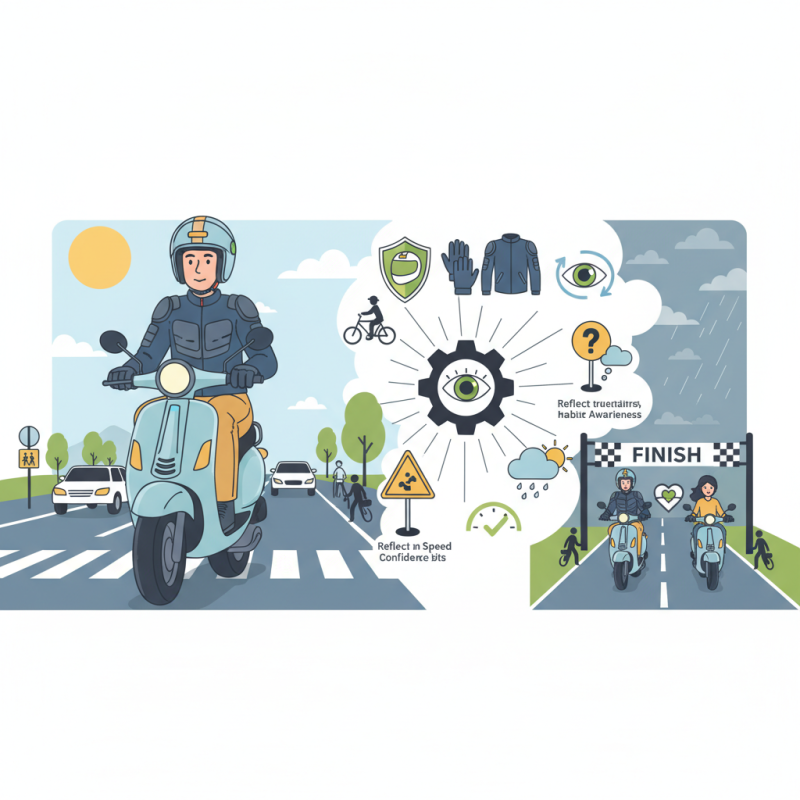
Being part of the road means sharing space with cars and pedestrians. Awareness of your surroundings and other vehicles is key. Sometimes, riders can become overconfident and make risky decisions. Reflecting on your riding habits can improve safety and confidence. Ultimately, the goal is to enjoy the ride while ensuring your safety and the safety of others.
Understanding Moped Scooters: Features and Benefits
Moped scooters are a growing choice for urban commuting. They offer a convenient and efficient way to navigate crowded streets. According to the Motorcycle Industry Council, the U.S. moped and scooter sales increased by 12% in the last year alone. Their compact size allows for easy parking, saving time and frustration in dense city environments.
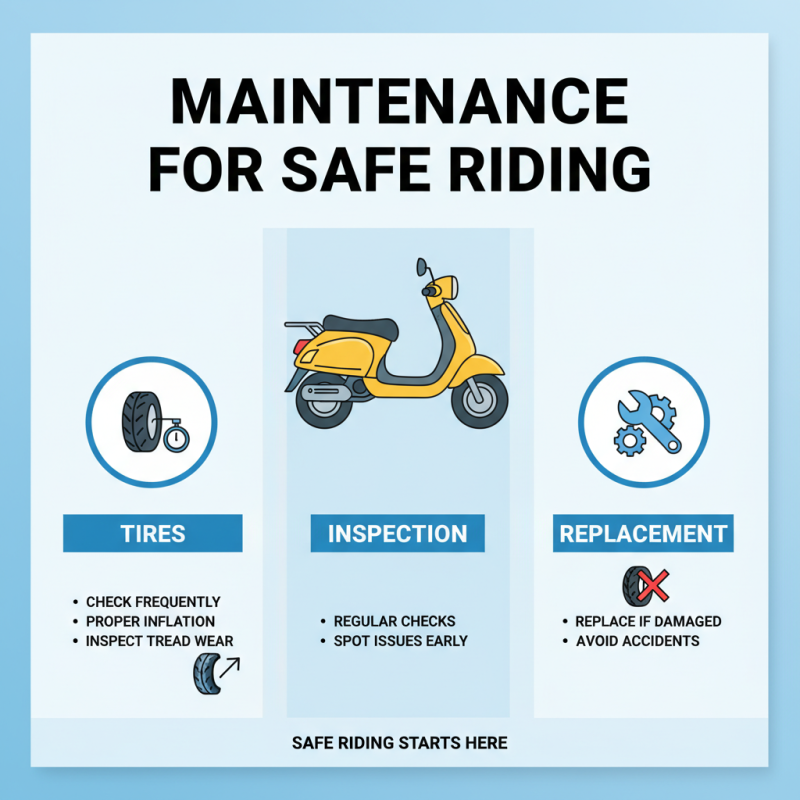
One of the most notable features of moped scooters is their fuel efficiency. Many models achieve up to 100 miles per gallon. This makes them a cost-effective option for daily commuting. Additionally, they produce lower emissions compared to cars, which helps reduce traffic congestion and environmental impact. Safety should still be a priority; even experienced riders should recognize potential hazards. Regular maintenance and wearing appropriate safety gear can make a significant difference.
While moped scooters provide numerous benefits, riders must remain aware of road conditions. Uneven surfaces and weather can create challenges. Riders should practice defensive driving techniques to navigate safely. Paying close attention to the surroundings goes a long way in preventing accidents. Remember, confidence comes from experience and cautious riding.
Essential Safety Gear for Moped Riders
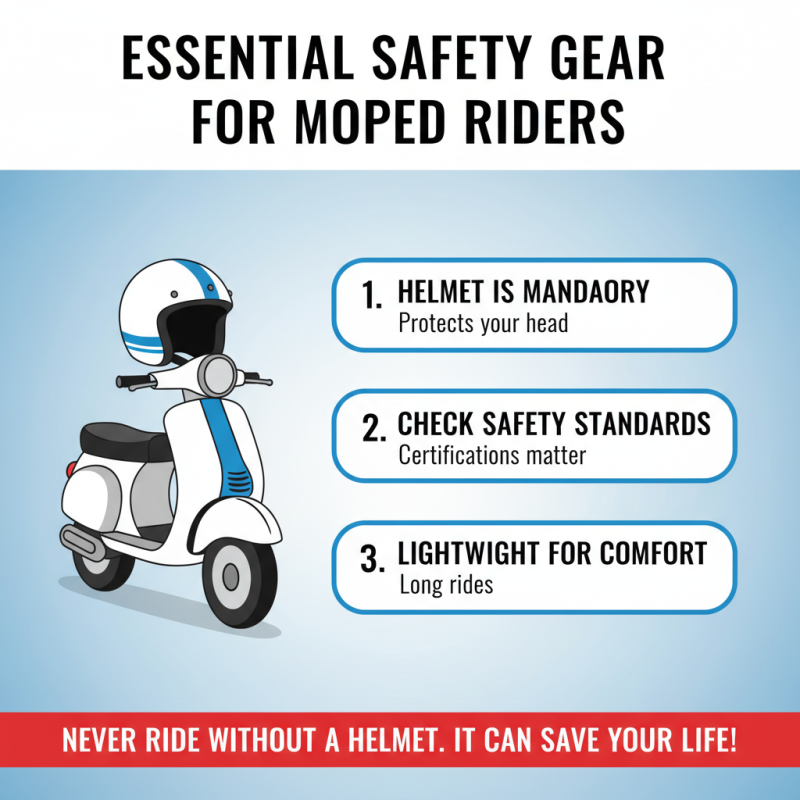
When riding a moped scooter, safety gear is crucial. A properly fitting helmet is mandatory. It protects your head from serious injuries. Look for helmets that meet safety standards. Lightweight options offer comfort during long rides. Never underestimate the importance of wearing a helmet. It can save your life.
In addition to helmets, wear protective clothing. Long pants and jackets made of durable materials offer better protection against scrapes. Consider wearing gloves to maintain a good grip and protect your hands from weather elements. Boots are also essential. They provide ankle support and protect your feet.
Reflective vests increase visibility. They help other drivers see you, especially in low-light conditions. Always check your gear before a ride. Take a moment to adjust your helmet and ensure your jacket fits securely. Rushing can lead to mistakes. Remember, safety gear is not just an accessory, but a necessity. Your well-being should always come first.
Traffic Rules and Regulations for Moped Operation
Moped operation requires a solid understanding of traffic rules. According to a recent report by the Motorcycle Safety Foundation, 50% of moped accidents occur due to rider inattention or failure to observe traffic signals. Knowing these rules can drastically reduce risks. Always obey traffic signs and signals. Engage with your surroundings, especially at intersections where visibility can be limited.
Riders must also adhere to speed limits. The National Highway Traffic Safety Administration states that riding above the limit increases the likelihood of losing control. Additionally, lane splitting, often perceived as a minor infraction, can lead to serious accidents. Many riders attempt it without assessing potential dangers. Understanding permitted behaviors on the road enhances both safety and confidence.
Safety gear is vital, even if it's not legally mandated in all areas. A study found that wearing a helmet reduces the risk of fatal head injuries by 37%. Visibility is equally crucial, particularly during adverse weather conditions. Reflective clothing can help others see you and reduce the chances of accidents. Practicing these guidelines not only promotes personal safety but also establishes a culture of responsibility on the road.
Tips for Maneuvering and Parking Your Moped Safely
Maneuvering and parking a moped scooter requires focus and practice. As you navigate through tight spaces, remember to stay aware of your surroundings. Use your mirrors frequently to check for other vehicles. When turning, lean slightly into the turn; this will help maintain balance. Practice makes perfect, so take time to practice these movements in a safe area before hitting busy streets.
Parking can be tricky, especially in crowded urban environments. Always look for designated scooter parking zones. If those aren't available, park in a way that doesn't obstruct pedestrian pathways. Use the kickstand securely to prevent rolling. Check your surroundings once more before exiting. It’s not always easy to find a good spot. Sometimes, you may have to walk a bit further, but safety comes first.
Remember that everyone makes mistakes. A small misjudgment could lead to a fall or an accident. Reflect on your experiences after each ride. What went well? What could have been better? Learning from each outing helps you become a more confident rider. It's all part of the journey, and each ride is an opportunity to improve your skills.
10 Essential Tips for Riding a Moped Scooter Safely and Confidently
| Tip |
Description |
| Wear Protective Gear |
Always wear a helmet, gloves, and appropriate clothing to minimize injuries in case of an accident. |
| Check Your Moped |
Perform a pre-ride inspection for brakes, lights, tires, and fluid levels to ensure safe operation. |
| Know Traffic Rules |
Familiarize yourself with local traffic laws and regulations specific to scooters and mopeds. |
| Maintain a Safe Following Distance |
Keep a safe distance from the vehicle in front to allow for sudden stops. |
| Use Turn Signals |
Always signal your turns and lane changes to inform other drivers of your intentions. |
| Stay Visible |
Wear bright clothing and use reflective gear to increase visibility, especially at night. |
| Avoid Distractions |
Stay focused on the road and avoid using your phone or other distractions while riding. |
| Practice Maneuvering |
Practice slow-speed maneuvers like turning, stopping, and parking in a safe area. |
| Know Your Limits |
Avoid overestimating your skills, especially in difficult traffic conditions or bad weather. |
| Secure Your Moped |
Use a strong lock or chain to secure your moped when parked to prevent theft. |