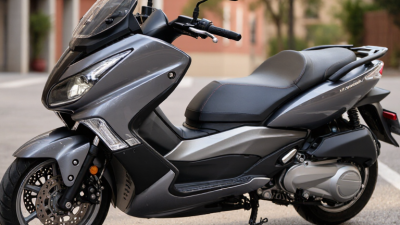
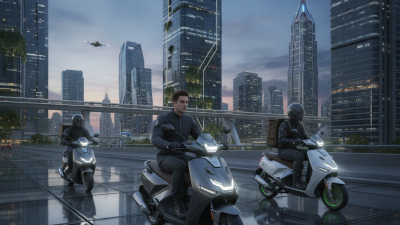
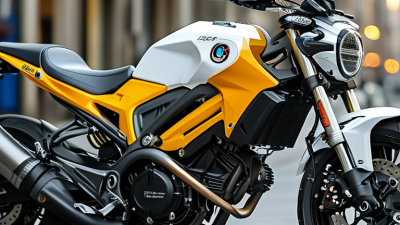
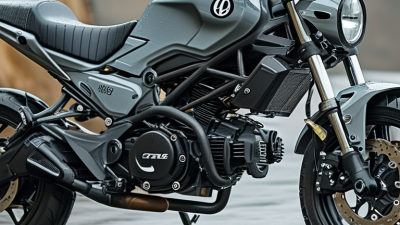
Choosing a 150cc scooter in 2026 requires more than comparing glossy photos and advertised prices. Real ownership depends on traffic, road quality, weather, rider size, and daily distance. A model that feels lively on a smooth city street may struggle with steep hills or frequent two-up riding. Details matter.
This guide focuses on practical buying experience, manufacturer specifications, and advice commonly used by qualified dealers and experienced riders. We will examine engine response, fuel economy, braking systems, suspension comfort, storage space, seat height, and service access. Safety equipment deserves close attention, including reliable tires, effective lighting, and modern braking assistance where available. Check current local requirements before riding, because licensing, insurance, equipment, and emissions rules can differ by location.
A careful test ride can reveal problems that brochures hide. Notice vibration through the handlebars, delayed throttle response, awkward parking weight, or a seat that feels comfortable for only ten minutes. Bring your usual helmet and consider your daily luggage. Small details become tiring after months.
No single scooter wins.
Price is important, but long-term value may depend more on maintenance support and parts availability. Some fuel figures also come from controlled testing, not crowded streets or cold mornings. That limitation matters. By comparing real-world needs with verified specifications, you can narrow the market honestly and choose a 150cc scooter that fits your routine, not merely your expectations.
How to Choose a 150cc Scooter in 2026?
Define your riding needs before comparing engine figures. A 150cc scooter suits short urban trips, moderate traffic, and limited parking. Measure your daily route for one week. Record distance, hills, road surfaces, passenger use, and luggage needs. A five-mile commute feels different on steep roads or broken pavement. Test the scooter during your actual travel hours. Quiet showroom impressions can mislead.
Safety must influence your choice. The National Highway Traffic Safety Administration’s Traffic Safety Facts reports that motorcyclists face about 28 times the fatality risk of passenger-car occupants per vehicle mile traveled. Choose stable brakes, effective lighting, predictable handling, and a comfortable riding position. Check whether protective equipment fits your routine, including a certified helmet, gloves, and visible clothing. Small details matter. A narrow seat may feel convenient, yet become tiring after thirty minutes.
Fuel economy also requires careful judgment. Published figures come from controlled tests, not crowded streets, cold starts, or heavy loads. Compare official test results, then expect lower real-world performance. The International Energy Agency identifies transport as a major source of global energy demand, making efficient daily travel increasingly relevant. Still, efficiency should not outweigh hill-climbing ability or braking confidence. I would test two routes, carry a typical bag, and repeat the ride with a passenger if needed. My first choice might still be wrong after one rainy week. Reconsider it.
| Riding Need or Daily Condition | Typical Use Case | Recommended Specification | Useful Data Range | Why It Matters | Features to Prioritize |
|---|---|---|---|---|---|
| Short Urban Commute | Daily trips of 5–15 km through city streets with frequent stops. | Standard 125–150cc scooter |
Fuel economy: approximately 2.2–3.0 L/100 km Seat height: approximately 760–800 mm Kerb weight: approximately 115–140 kg |
A compact and lightweight scooter is easier to maneuver, park, and control in congested traffic. | Automatic transmission, light steering, under-seat storage, low-speed smoothness, and a narrow body. |
| Longer Daily Commute | Regular journeys of 20–50 km per day on urban roads and suburban routes. | 150cc scooter with good wind protection |
Fuel tank: approximately 6–10 L Practical range: approximately 200–350 km per tank Typical cruising speed: approximately 70–90 km/h |
A larger fuel tank, stable chassis, and comfortable seating reduce fatigue and refueling frequency. | Comfortable seat, larger wheels, effective suspension, windscreen, USB charging, and a clear instrument panel. |
| Frequent Passenger Riding | Carrying an adult passenger several times per week. | 150cc model with a reinforced two-person layout |
Typical maximum load: approximately 150–180 kg, including rider and passenger Wheelbase: approximately 1,320–1,400 mm Rear tire width: commonly 120–130 mm |
Passenger use increases braking distance, suspension load, and the power required for uphill acceleration. | Long seat, passenger footrests, strong rear suspension, combined or anti-lock braking where available, and adequate payload capacity. |
| Hilly or Sloped Roads | Daily riding in areas with repeated inclines, bridges, or uneven terrain. | 150cc scooter with strong low- and mid-range response |
Engine output: commonly about 8–12 kW Ground clearance: approximately 130–160 mm Recommended payload margin: at least 15–20% below the stated maximum load |
Riding uphill places extra demand on the engine, continuously variable transmission, cooling system, and brakes. | Liquid cooling, responsive CVT calibration, rear disc brake, adequate ground clearance, and durable suspension. |
| Highway or Expressway Access | Occasional use on roads where traffic travels faster than typical city traffic. | Only where local regulations permit; consider a larger displacement if frequent |
Typical 150cc top speed: approximately 90–110 km/h, depending on conditions Comfortable sustained speed is usually lower than maximum speed High-speed fuel economy is lower than urban fuel economy |
A 150cc scooter may have limited reserve power for overtaking, strong headwinds, steep grades, or two-up riding. | Stable wheelbase, effective brakes, quality tires, good lighting, wind protection, and sufficient power reserve. Verify local road rules. |
| Rainy or Wet Climate | Frequent riding in rain, wet pavement, and poor-weather conditions. | Any 150cc scooter with strong weather and braking equipment |
Tire tread depth and compound are more important than engine size Braking systems may include combined braking or ABS Stopping distance increases on wet roads |
Wet surfaces reduce available traction, so tire condition, brake control, and visibility directly affect safety. | ABS where available, quality tires, full fenders, sealed electrical connectors, bright lighting, and a tall windscreen. |
| Hot Climate or Heavy Traffic | Slow-moving traffic, high ambient temperatures, and frequent idling. | 150cc scooter with effective cooling and heat management |
Liquid-cooled engines generally provide more consistent temperature control than air-cooled designs Fuel economy may decrease during prolonged idling and stop-and-go use |
Repeated low-speed operation can reduce airflow and increase thermal stress on the engine and transmission. | Liquid cooling, reliable cooling fan, temperature monitoring, heat shields, and an accessible maintenance layout. |
| Cargo and Grocery Runs | Carrying a helmet, small bags, work equipment, or groceries. | 150cc scooter with practical storage and a stable rear rack option |
Under-seat storage commonly ranges from approximately 20–35 L Payload limits often fall between approximately 150–180 kg total Top boxes add capacity but affect balance and aerodynamics |
Storage capacity reduces the need to carry bags on the handlebars, which can affect steering control. | Flat floor or large under-seat compartment, secure hooks, strong luggage rack, and clearly stated payload limits. |
| Limited Parking Space | Apartment, office, or street parking with restricted maneuvering room. | Compact and lightweight 150cc scooter |
Overall length: commonly approximately 1,900–2,050 mm Overall width: commonly approximately 680–760 mm Turning radius varies by chassis and handlebar design |
Smaller dimensions make it easier to reverse, store, and move without assistance. | Center stand, manageable kerb weight, steering lock, compact mirrors, and a secure parking lock. |
| Lower Running Costs | High annual mileage with a focus on fuel, service, and consumable costs. | Fuel-efficient 150cc model with widely available service parts |
Typical real-world fuel economy: approximately 2.2–3.5 L/100 km Engine oil service intervals vary; follow the owner’s manual Tire life depends heavily on load, road surface, and inflation pressure |
Fuel use is only one part of ownership cost; tires, drive belts, brake pads, insurance, and scheduled service also matter. | Fuel injection, durable belt and roller components, accessible air filter, service reminders, and economical tire sizes. |
| New or Less-Experienced Rider | Learning traffic control, low-speed balance, and emergency braking. | Moderate-power model with predictable handling |
Seat height: approximately 760–800 mm is common Kerb weight below approximately 140 kg is easier for many riders to manage Smooth throttle response is preferable to maximum acceleration |
A manageable seat height and weight can improve confidence during stops, turns, and parking. | Progressive brakes, stable tires, easy reach to the ground, clear controls, and a training-friendly riding position. |
| Security and Connected Features | Parking outdoors or commuting in areas with higher theft risk. | Model with multiple independent security measures |
Useful measures include steering lock, immobilizer, alarm, and remote tracking No electronic feature replaces a physical lock anchored to a fixed object |
Layered security reduces the chance that one failed or bypassed system compromises the scooter. | Immobilizer, secure key system, location tracking compatibility, covered parking, and a high-quality disc or chain lock. |