10 Best Tips for Choosing a Moped Scooter for Adults?
Choosing a moped scooter for adults is more than comparing prices, colors, and engine sizes. It means matching a machine to your daily routine, physical comfort, road conditions, and riding experience. A scooter that feels perfect in a showroom may feel unstable on wet pavement or cramped after thirty minutes. Small details matter. Seat height, brake feel, storage space, tire width, lighting, and starting controls can change every journey.
David L. Hough, a respected motorcycle safety author, offers a useful warning: “The best way to avoid a crash is to not be there.” His advice applies strongly to scooter selection. Good judgment begins before the ride, with realistic thinking about traffic, visibility, stopping distance, and personal confidence. A powerful model is not automatically the better choice. Sometimes, less performance creates more control.
This guide, “10 Best Tips for Choosing a Moped Scooter for Adults,” examines the decisions that buyers often overlook. It considers comfort during short commutes, battery or fuel needs, maintenance access, weather protection, passenger capacity, and secure parking. It also encourages checking local requirements before purchase, because registration, licensing, and equipment rules can differ by location. That step feels dull. It can prevent expensive mistakes.
There is no perfect moped scooter for adults. Not really. A lightweight model may be easy to park but less comfortable on rough roads. A larger scooter may offer smoother handling but require more confidence. The right choice is the one that fits your real habits, not an imagined lifestyle.
Define Your Daily Riding Needs and Scooter Use Cases
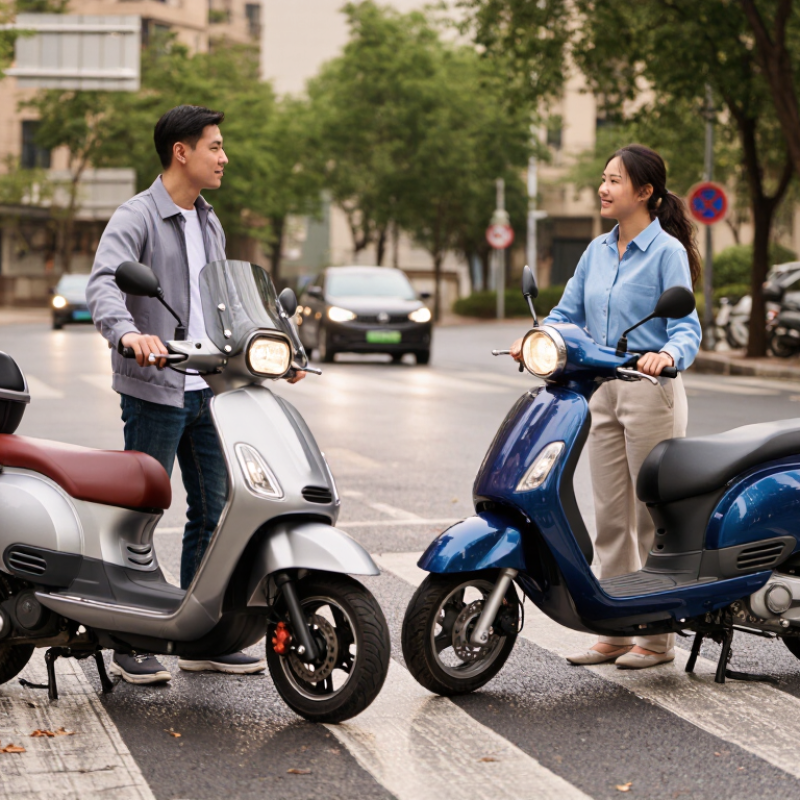
Choosing an adult moped scooter starts with your daily routine, not the advertised top speed. The Federal Highway Administration’s 2017 National Household Travel Survey found that 52% of household trips were three miles or shorter. That supports scooters for short commutes, station connections, grocery runs, and neighborhood errands. Still, distance alone can mislead. A five-mile ride with steep hills, heavy traffic, or poor pavement may demand more power than a flat ten-mile trip.
Tip: Write down your real weekly routes. Record distance, hills, traffic, parking, weather, and whether you carry a bag. Then choose a scooter that fits those conditions, rather than an imagined lifestyle. If you regularly ride before sunrise, check lighting and visibility carefully. If rain is common, consider weather protection and tire performance. NHTSA reports that motorcycle helmets reduce fatal injury risk by about 37% for riders. A suitable helmet and protective clothing should be part of the budget, not an afterthought.
Think about the use case you may forget. Will a passenger ride often? Do you need space for work equipment? Can you charge or refuel conveniently at home? Manufacturer range figures can change with rider weight, temperature, hills, and speed. My own planning would leave a practical reserve, perhaps 20% or more. It feels inefficient, but arriving short of energy is worse. Check local licensing, parking, equipment, and road requirements before purchasing. A test ride on your actual route remains more valuable than a polished specification sheet.
Compare Engine Types, Speed, Range, and Fuel Efficiency
Choosing a moped scooter starts with its engine type. A four-stroke petrol engine usually delivers smoother low-speed riding and better fuel economy than a two-stroke engine. Electric models produce instant torque and quieter acceleration. The U.S. Department of Energy reports that electric vehicles convert about 77–82% of grid energy into movement. Conventional petrol vehicles convert only about 12–30%. That gap matters during daily commuting.
Speed should match your route, not your imagination. Many adult mopeds are designed for urban speeds near 45 km/h, while faster models may require different registration rules. Check the specification sheet carefully. Some advertised top speeds are measured with a light rider on flat pavement. Real speed drops on hills, in cold weather, or with a loaded rear rack. I would test the scooter on your actual commute, if possible. Shorter is sometimes safer.
Range needs a practical margin. Electric range ratings can exceed everyday results by 20–40%, according to testing differences discussed in the European Environment Agency’s 2023 transport analysis. Petrol scooters often travel roughly 150–250 kilometers per tank, depending on engine size and riding conditions. Fuel consumption around 2–3 liters per 100 kilometers is common for efficient small engines, but traffic changes everything. Electric models also need charging time, not just battery capacity. A 70-kilometer claimed range may become 45 kilometers after hills, rain, and winter temperatures. That is an uncomfortable lesson. Look for removable batteries, clear charging data, and independent test measurements.
10 Best Tips for Choosing a Moped Scooter for Adults
Compare engine types by top speed, practical riding range, and energy efficiency before choosing a scooter for commuting, errands, or leisure riding.
The figures represent typical adult-use scooter classes. Actual results vary with rider weight, terrain, weather, traffic, tire pressure, battery size, and riding speed. Gasoline efficiency is shown in km/L, while electric efficiency is shown in km/kWh.
Check Adult Comfort, Weight Capacity, and Riding Position
Choosing a moped scooter for adults requires more than checking its engine size or appearance. Comfort affects control, confidence, and endurance during everyday trips. Sit on the scooter with both feet near the ground. Your knees should bend naturally, without touching the handlebars. A firm seat may feel supportive at first, but excessive hardness can become painful after thirty minutes. Short test rides matter.
Check the stated weight capacity carefully. Treat it as a safety limit, not a suggested target. Include your body weight, clothing, bags, and any regular cargo. Extra margin helps the scooter handle hills and braking more predictably. An overloaded scooter may feel sluggish and unstable. That detail is easy to miss. I once underestimated the weight of a work bag and noticed slower acceleration immediately.
Riding position also deserves close attention. Your back should remain relaxed, not sharply curved or stretched forward. Handlebars need to sit within easy reach, while your wrists stay straight during steering. Test the brake levers with gloved hands if possible. Controls should not require excessive finger strength. Do not trust showroom appearance alone. Fit can vary between adults, even at the same height. Read the user manual and confirm the capacity with reliable specifications before buying. My own preference has changed after longer rides; a slightly heavier scooter can feel more stable, but it may be harder to move by hand.
Evaluate Safety Features, Handling, Storage, and Weather Protection
Choosing an adult moped scooter requires more than checking engine size or appearance.
Safety features should guide the decision. Look for responsive brakes, bright front and rear lights, turn signals, mirrors, and stable tires with visible tread. A secure helmet is essential, even for short trips. Check whether the seat supports an upright posture and keeps both feet near the ground.
Handling becomes clear during a careful test ride.
Try slow turns, gentle braking, and a controlled stop on a slight slope. The scooter should feel predictable, not twitchy.
I once underestimated handlebar weight during a tight turn, and the mistake made parking unnecessarily difficult. A lighter frame may be easier to control, but excessive lightness can feel unstable in crosswinds. Comfort matters too.
Storage needs practical attention.
Measure the space beneath the seat before assuming it will hold a lock, rain cover, or small bag. A rear rack can help, but heavy loads may affect steering and braking. Weather protection is often overlooked. A tall windscreen, hand guards, and waterproof storage can reduce discomfort during cold or wet commutes. However, extra panels may catch side winds. Inspect seals, fasteners, and floor grip after a rainy-day ride. Small details matter.
Review Costs, Maintenance Needs, Legal Rules, and Dealer Support
Choosing an adult moped scooter requires more than checking the purchase price. Add registration, insurance, protective clothing, taxes, and delivery fees. A low-priced scooter can become expensive after these first additions. My initial budget estimates were often too optimistic.
Ask the dealer for a written maintenance schedule. Confirm oil, belt, tire, brake, and battery requirements. Check the expected price of routine service and replacement parts.
Inspect the warranty carefully, especially coverage for batteries and electrical systems. A nearby workshop matters when a small fault stops your daily commute.
Dealer support should include clear service records, parts availability, and realistic repair times.
Legal rules differ by location and vehicle classification. Verify licensing, minimum age, registration, insurance, helmet, lighting, and road-use requirements with your local transport authority. Do not rely only on sales staff. A test ride should include braking, turning, parking, and starting on a slope. Listen for unusual vibration. Check whether both feet reach the ground comfortably. Also consider storage space and winter maintenance. Some costs are easy to miss. Review them before signing anything.