2026 Top Wolf Scooters for Global Buyers?

Choosing the right wolf scooters for global buyers requires more than comparing speed, range, and appearance. A dependable model must suit local roads, weather, rider habits, service access, and daily carrying needs. A scooter that performs well on smooth city pavement may struggle on uneven streets, steep hills, or wet commutes.

Dr. Marcus Lee, an independent micromobility product consultant, explains, “A strong scooter must fit the rider, route, and repair reality.” That principle shapes this 2026 guide. We examine motor response, battery consistency, braking control, tire design, folding strength, rider comfort, and after-sales support. Practical details matter. Can the charger handle the buyer’s voltage standard? Are replacement tires easy to obtain? Does the deck remain stable after several months of use?

Performance numbers can mislead.

Manufacturers may describe ideal laboratory results. Real riders face wind, cold temperatures, heavier loads, and traffic interruptions. Some attractive models also leave important questions unanswered. Water resistance ratings may vary by component, while warranty coverage can differ between regions. That uncertainty deserves attention, not marketing language.

This overview compares leading wolf scooters for international buyers through an experience-based and evidence-focused lens. It does not promise one perfect choice. Needs differ. A lightweight commuter, a long-distance rider, and a delivery professional may require completely different designs. The strongest purchase decision balances specifications with repairability, verified safety features, responsible riding practices, and realistic local support.
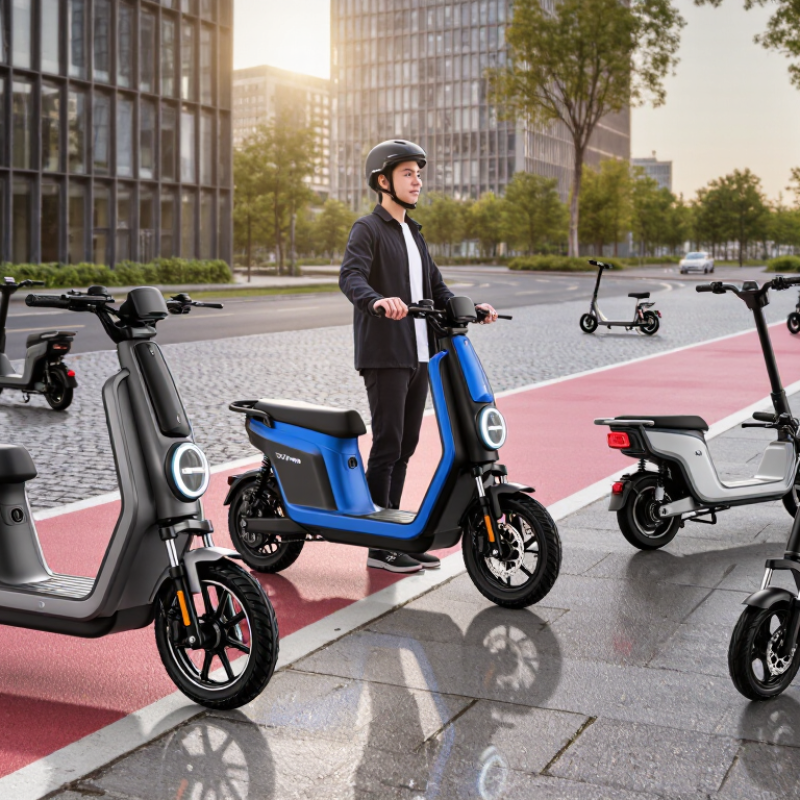
2026 Top Wolf Scooters for Global Buyers?

Wolf Scooter Brand Overview and Global Market Position

The Wolf scooter category sits in the premium performance segment of the global electric scooter market. Buyers often seek strong acceleration, long riding range, and stable handling. However, real performance depends on rider weight, temperature, road surface, and tire pressure. Published laboratory figures rarely match daily commuting.

From a market perspective, these scooters appeal to experienced riders, delivery operators, and recreational users. Their larger frames and dual-motor layouts can improve hill climbing and control. That extra hardware also increases weight, shipping cost, and maintenance demands. Fit varies. A compact city rider may find the deck excessive.

Global buyers should examine battery certification, charger compatibility, warranty coverage, and local service access. Replacement tires, brake parts, and controllers should have clear supply channels. Independent reviews are useful, but test methods differ widely. Check wet-weather guidance carefully. Do not assume water resistance means complete protection.

In my experience, a careful pre-purchase checklist prevents more problems than impressive speed claims. Inspect folding points, cable routing, suspension movement, and brake response. Ask whether technical support operates in your region. Some international listings provide limited after-sales help, which can become frustrating. The category is capable, but not perfect. Its strongest position comes from practical durability, transparent specifications, and dependable support rather than headline numbers.
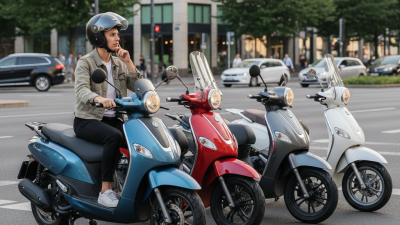
Key Specifications and Performance Features of Top 2026 Wolf Scooters

2026 Top Wolf Scooters for Global Buyers?

Key Specifications and Performance Features of Top 2026 Wolf Scooters

The strongest 2026 wolf-style scooters should balance speed, stability, and usable range. The IEA’s Global EV Outlook 2024 reports more than 280 million electric two- and three-wheelers worldwide. That scale raises expectations for safer, more efficient designs. A practical performance model should offer dual motors, responsive hydraulic brakes, and adjustable suspension. A 52V or 60V battery can support stronger hill performance. Yet voltage alone does not prove quality. Battery capacity, measured in watt-hours, matters more for real travel distance.

Range claims need careful reading. Manufacturers often test on flat roads, light loads, and low speeds. Real riders face wind, hills, cold weather, and frequent braking. Expecting 60 kilometers may be optimistic. The International Transport Forum stresses that micromobility safety depends on speed management, infrastructure, and rider behavior. Therefore, a dependable scooter should include bright front and rear lighting, turn indicators, reflective surfaces, and reliable traction control. Small details matter.

Look for 10-inch or larger pneumatic tires, an IP-rated electrical system, and a sturdy folding mechanism. A clear display should show battery percentage, speed, and riding mode. Charging time under eight hours suits overnight use. Still, heavier frames reduce portability. That trade-off deserves more attention. Buyers should verify local rules for maximum speed, lighting, helmet use, and road access before ordering. Specifications look impressive on paper. Testing remains essential.

2026 Top Wolf Scooters for Global Buyers

Key specifications and performance features of leading high-performance electric scooter configurations.

The chart compares maximum claimed speed across four anonymized performance configurations. Higher-power configurations generally provide stronger acceleration and hill-climbing ability, while battery capacity and riding conditions significantly affect real-world range.

Configuration Max Speed Peak Motor Output Battery Capacity Claimed Range
Performance A 70 km/h 2,300 W 1,344 Wh 60 km
Performance B 80 km/h 2,000 W 1,680 Wh 93 km
Performance C 100 km/h 4,000 W 2,520 Wh 145 km
Performance D 105 km/h 4,000 W 2,520 Wh 180 km

Comparing Wolf Scooter Models for Different Rider Needs

2026 Top Wolf Scooters for Global Buyers?

Comparing Wolf Scooter Models for Different Rider Needs

Choosing a wolf scooter should begin with the rider, not the advertised top speed. Urban commuters usually need balanced acceleration, stable handling, and a deck that fits crowded streets. A lighter dual-motor model can climb moderate hills while remaining manageable on trains or apartment stairs. Check the folded size carefully. Small details matter.

Long-distance riders may prefer a larger battery, wider tires, and stronger suspension. These features improve comfort on rough pavement and reduce fatigue during extended trips. However, extra battery capacity adds weight. A claimed range is also measured under controlled conditions. Wind, hills, rider weight, and cold weather can reduce it noticeably. Plan with a safety margin.

Performance-focused riders should examine braking control, frame stiffness, lighting, and tire availability before chasing higher power. Hydraulic brakes can feel precise, but they require proper inspection and occasional servicing. Mechanical systems may be easier to maintain in regions with limited repair support. That difference is practical, not glamorous.

I have found that the fastest option is rarely the most useful one. A powerful scooter can feel awkward in narrow spaces. It may also demand more charging time and careful storage. Global buyers should verify local riding rules, voltage compatibility, warranty coverage, and replacement-part access. Expert reviews help, but direct test rides reveal balance and throttle response better. No model fits everyone.

Safety, Legal Requirements, and International Riding Considerations

Global buyers should verify local rules before choosing a high-performance electric scooter. A model’s speed, motor output, weight, and seat configuration can change its legal category. Requirements may include helmets, insurance, registration, lighting, age limits, and approved riding areas. The World Health Organization reported about 1.19 million annual road deaths in its Global Status Report on Road Safety 2023. That figure makes “fast but manageable” a serious safety question.

Braking quality matters more than advertised range. Check independent tests, stopping distance, tire grip, battery protection, and waterproofing. The U.S. Consumer Product Safety Commission recorded an estimated 233,870 micromobility injuries from 2017 to 2023, with 209 reported deaths. Those figures cover several product types, but they still deserve attention. Wear a certified helmet, use front and rear lights, and inspect tire pressure before every ride. Small details prevent expensive mistakes.

International ownership also brings practical problems. Confirm charger voltage, plug compatibility, warranty coverage, spare-part access, and the seller’s conformity documents. European buyers may encounter EN 17128 requirements, while other markets use different standards. Certification markings should be verified, not trusted blindly. Local traffic may drive on the opposite side, and road surfaces can change sharply between cities. I would test the brakes at low speed first. Real roads remain messier than product videos. A perfect checklist does not exist.

Pricing, Availability, Maintenance, and Buyer Selection Criteria

2026 Top Wolf Scooters for Global Buyers?

Pricing depends on battery size, motor output, certification, and local distribution. BloombergNEF’s 2024 Battery Price Survey placed average lithium-ion pack prices at $115 per kWh, down 20% year on year. That figure is not the retail price. Shipping, import duties, software, warranty coverage, and dealer margins still matter. A lower-priced scooter may hide expensive battery replacement or weak after-sales support. Ask for a written battery warranty.

Availability varies sharply by country. The International Energy Agency’s Global EV Outlook 2024 identifies electric two- and three-wheelers as the most electrified road-transport segment, especially across China and Southeast Asia. Buyers elsewhere should verify local stock before paying deposits. Check charger compatibility, spare-controller supply, and repair training. A fast scooter is useless when one connector takes six weeks to arrive.

Maintenance is usually simple, but not effortless. Inspect brake pads, tire wear, steering play, charging ports, and battery swelling every month. Store the battery in a dry, moderate-temperature place. Range claims deserve skepticism; rider weight, hills, cold weather, and tire pressure reduce real distance. I once treated advertised range as a guarantee. That was careless. Select by measured range, accessible parts, service response time, water-resistance documentation, and a realistic total cost over three years.

2026 Top Wolf Scooters for Global Buyers: Pricing, Availability, Maintenance, and Buyer Selection Criteria
Scooter Category Typical 2026 Street Price
(USD)
Motor Configuration Battery Capacity Practical Range
(Approx.)
Typical Top Speed Charging Time Best Use Availability Outlook Routine Maintenance Buyer Selection Priority
Lightweight Commuter $700–$1,200 Single motor, approximately 500–800 W nominal 450–650 Wh 25–40 km 25–40 km/h 5–8 hours Urban commuting, public transport connections, short daily trips Generally easy to source in North America, Europe, and major Asian cities Check tire pressure weekly; inspect brakes monthly; tighten fasteners every 300–500 km Low weight, folding size, legal speed compliance, replacement tire availability
Long-Range Dual-Motor $1,300–$2,300 Dual motor, approximately 1,000–2,000 W combined nominal output 1,000–1,500 Wh 45–75 km 45–65 km/h 8–12 hours Long-distance commuting, hills, mixed urban routes Widely available through specialist dealers; local stock varies by country Inspect brake pads every 500–800 km; check suspension hardware and connectors regularly Battery size, thermal management, hill performance, warranty coverage, service network
High-Performance Street $2,000–$3,500 Dual motor, approximately 2,000–4,000 W combined nominal output 1,500–2,300 Wh 55–90 km 60–85 km/h 9–14 hours with a standard charger Private-road riding, steep terrain, experienced users Usually sold through specialist importers; registration and road-use rules differ significantly Frequent brake, tire, steering-stem, suspension, and battery-connector inspections Controller reliability, braking capacity, frame strength, rider training, legal restrictions
All-Terrain Performance $1,800–$3,200 Dual motor, approximately 1,500–3,000 W combined nominal output 1,200–2,000 Wh 40–70 km 45–70 km/h 8–13 hours Gravel roads, hard-packed trails, uneven surfaces, private property Available in specialist outdoor and electric-mobility channels; replacement parts may take longer to import Clean and dry the chassis after wet rides; inspect bearings, suspension, tires, and mud protection Suspension travel, tire construction, water resistance, ground clearance, parts compatibility
Heavy-Duty Long-Range $2,500–$4,500 Dual motor, approximately 2,500–5,000 W combined nominal output 2,000–3,000 Wh 70–110 km 55–80 km/h 12–18 hours with a standard charger High-mileage users, large riders, demanding gradients, private-site transport More limited stock; commonly ordered from specialist distributors or regional importers Professional inspection recommended every 1,000–1,500 km; monitor battery balance and brake wear Payload rating, battery certification, charger quality, braking redundancy, after-sales support
Compact Utility Scooter $900–$1,600 Single or dual motor, approximately 800–1,500 W combined nominal output 600–1,000 Wh 30–55 km 30–50 km/h 6–10 hours Campus transport, warehouse sites, resort operations, short commercial routes Relatively accessible where electric utility vehicles are supported; fleet purchasing may require local servicing Daily visual inspection; weekly tire and brake checks; scheduled fastener and cable inspection Payload capacity, deck durability, water protection, fleet parts supply, ease of service
Pricing and performance figures are indicative 2026 global-market ranges for comparable high-performance electric scooters. Actual results vary with rider weight, temperature, terrain, tire pressure, riding speed, battery age, local taxes, shipping costs, and regional regulations. Always verify road legality, battery certification, warranty terms, and local service availability before purchase.